The Discretionary Paradox: A Forensic Audit of Runway Selection
The Great Misdirection
For decades, institutional rhetoric has relied on a single, unassailable absolute: “The wind dictates the runway.” It works because it sounds scientific — and it ends the conversation.
The evidence below shows the opposite dynamic: when multiple safe runway options are available, the system repeatedly selects the configuration that preserves throughput — even if that means accepting a higher crosswind component and saturating the same residential corridor. This is not wind-limited. It is throughput-limited.
TSB Watchlist 2025: Ottawa’s Own Safety Investigators Say People Are at Risk
In October 2025, the Transportation Safety Board of Canada (TSB) released its latest national Watchlist of unresolved safety hazards. The Board warns that long-standing issues “continue to put people, property, and the environment at risk.”
Source: Transportation Safety Board of Canada, Watchlist news release, 15 October 2025 .
Forensic Log 01: Jan 13 — The Efficiency Bias
AeroView forensic captures from January 13 confirm light, stable winds (7–11 kts). While the North–South field (15L/R) offered optimal headwinds, arrivals were concentrated on the Westbound corridor to preserve high-throughput parallel flows.
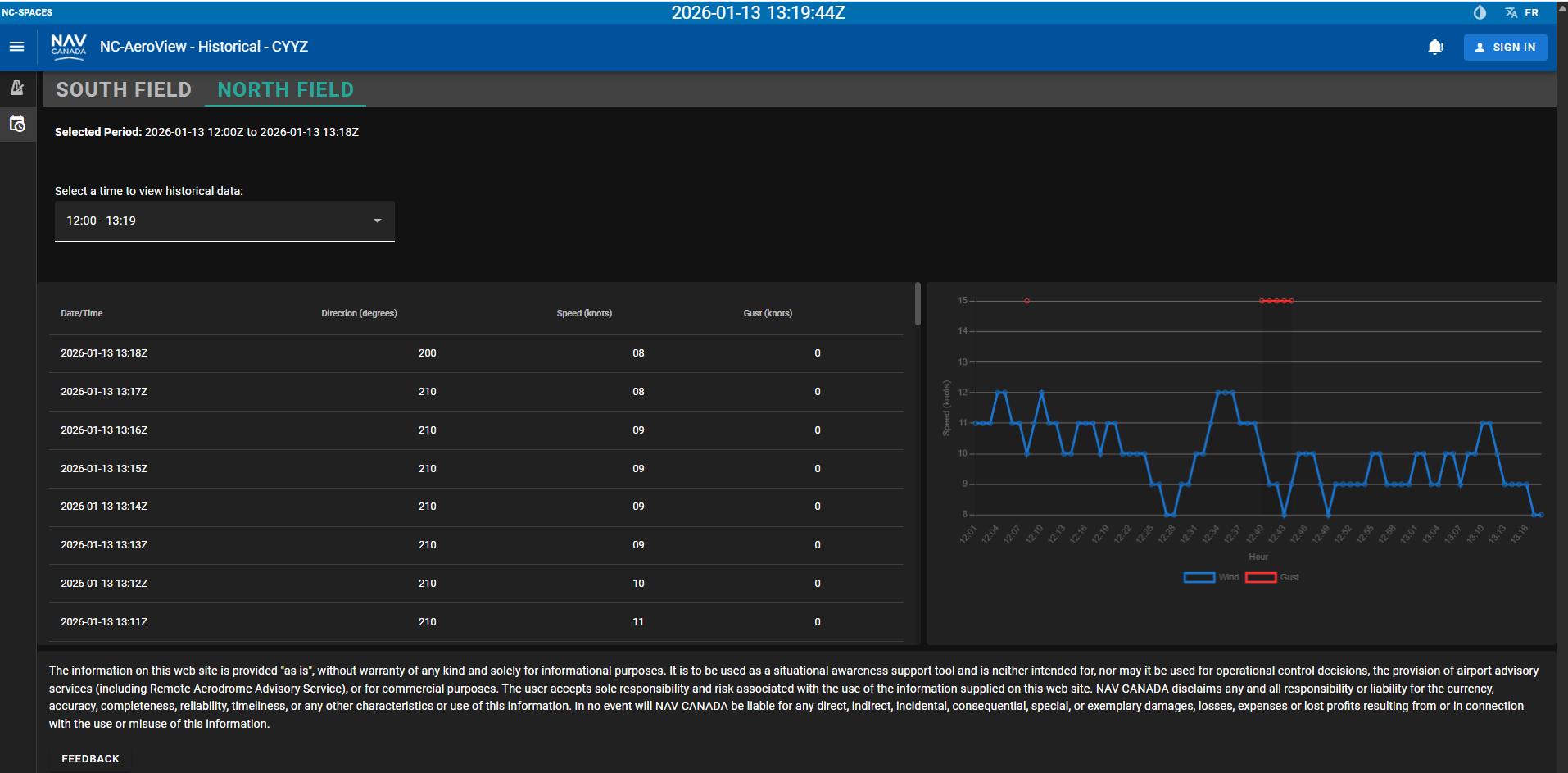
Exhibit 1.1: AeroView forensic capture (08:19:57Z).
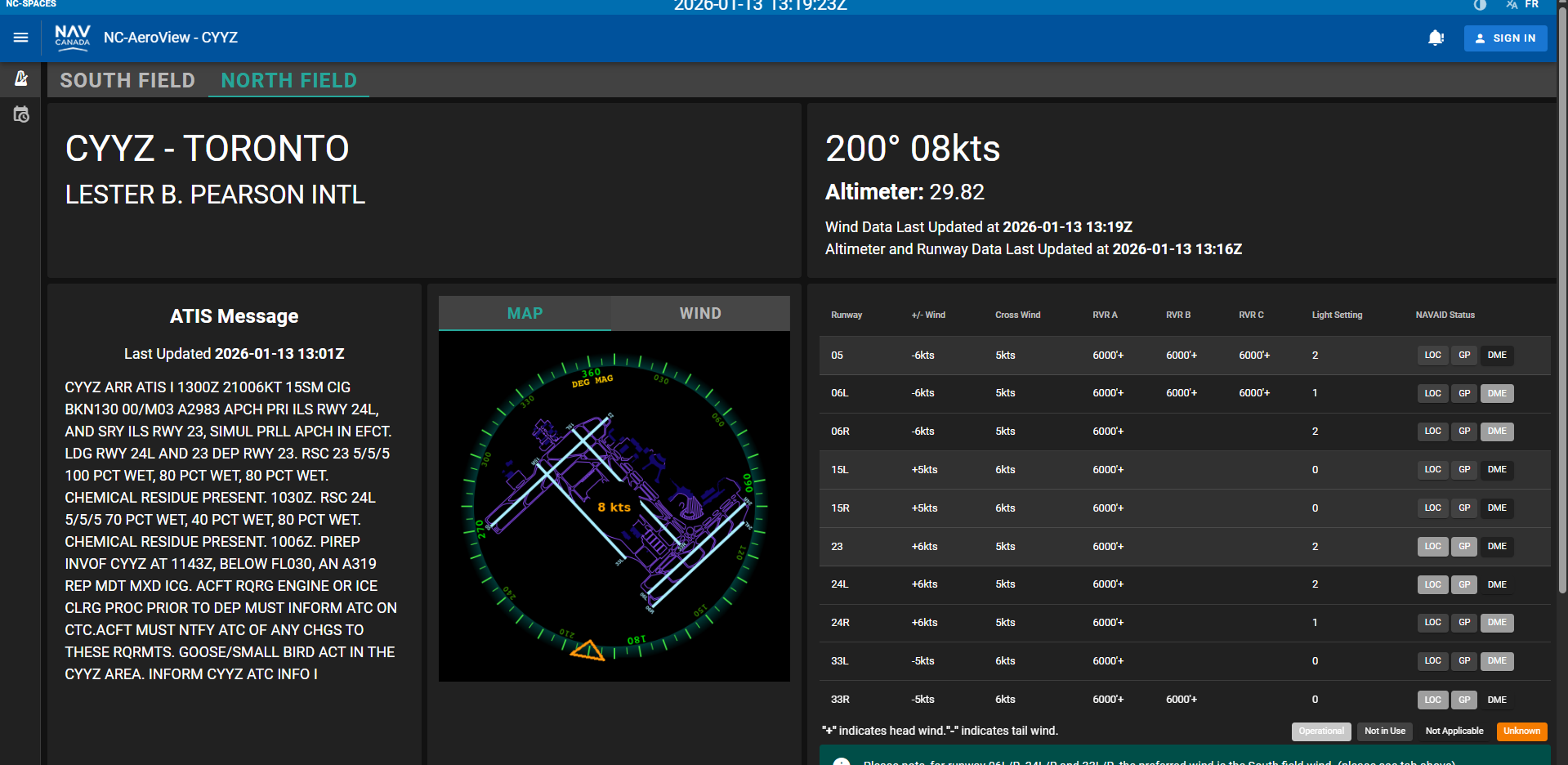
Exhibit 1.2: Field cross-verification (08:19:31Z).
Exhibit 1.3: WebTrak evidence of sustained Westbound saturation.
Forensic Log 02: Jan 14 — Choosing Risk Over Respite
The “smoking gun”: arrivals were kept on Runway 05 with a severe crosswind component, even though a Runway 33 configuration would have converted the same wind into a safer headwind-favourable setup. This is throughput expressed as “wind.”
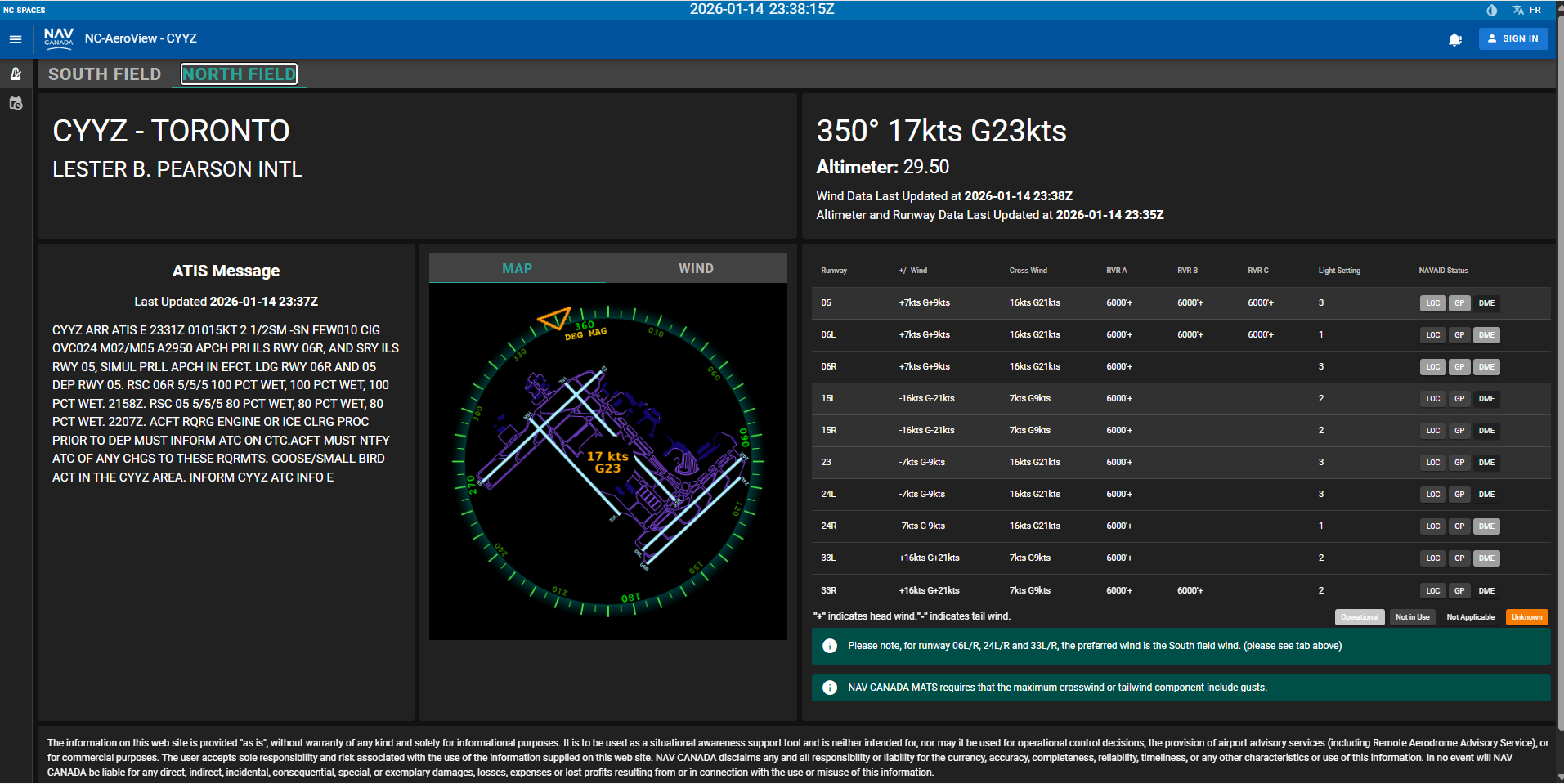
Exhibit 2.1: Operational capture (18:38:22Z).
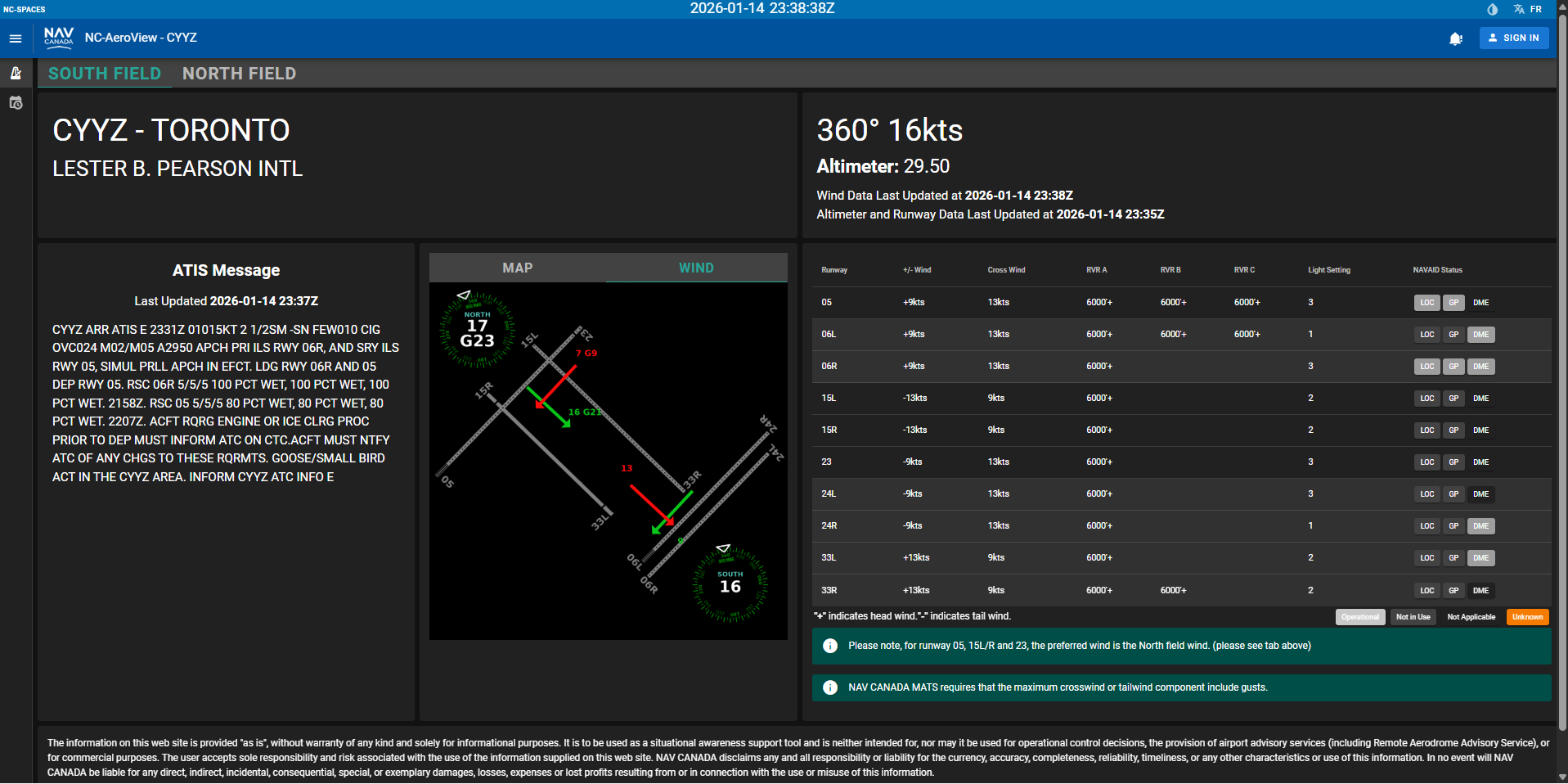
Exhibit 2.2: Cross-verification of 23kt gusts.
Exhibit 2.3: WebTrak record of Runway 05 arrivals despite safer Runway 33 wind alignment.
Forensic Log 03: Jan 15 — Localized Atmospheric Bias
AeroView shows a wind discrepancy between fields. Local variation was visible, measurable, and operationally relevant — yet the configuration still preserved the same high-throughput corridor.
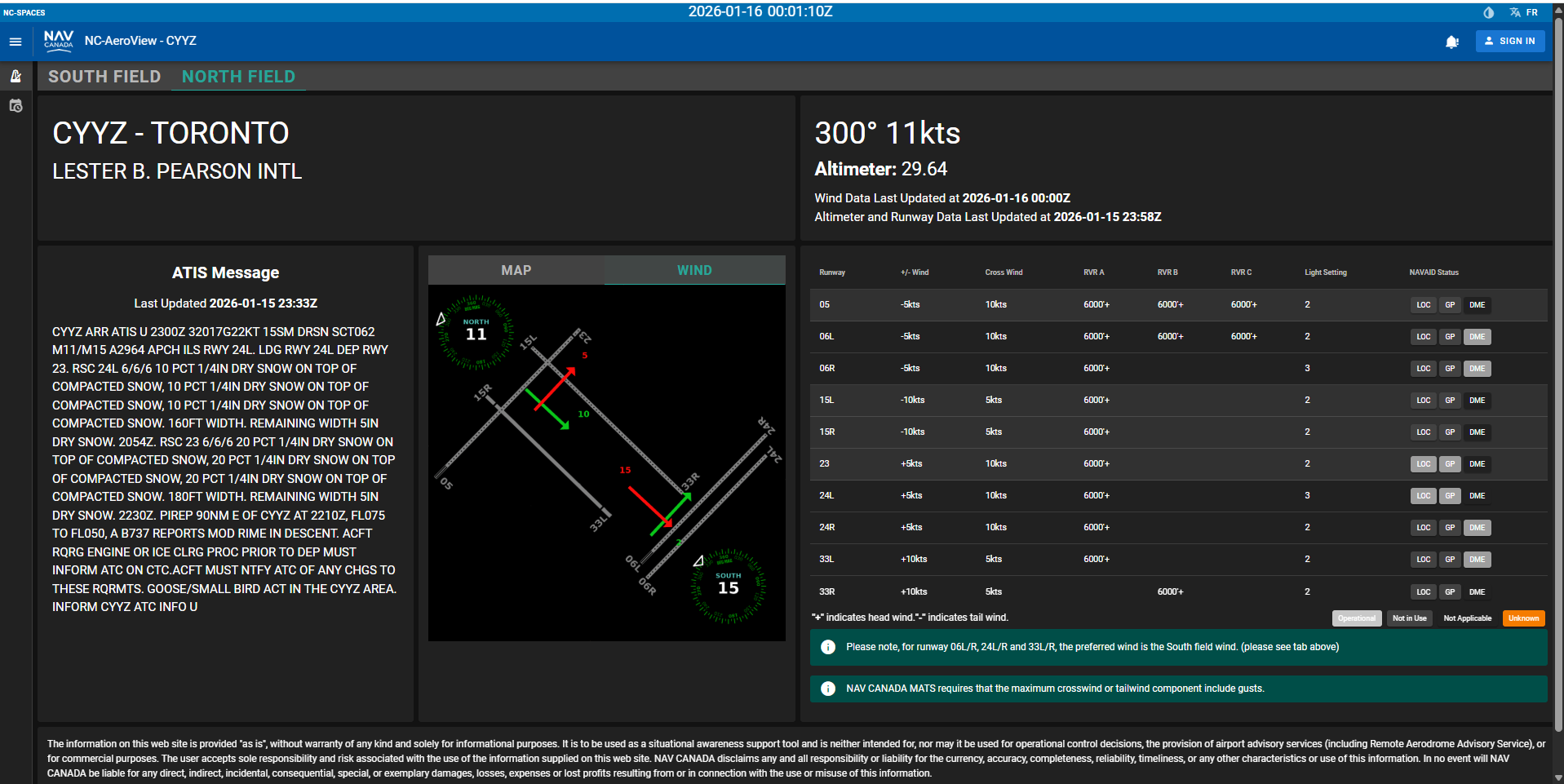
Exhibit 3.1: North Field wind capture (11 kts).
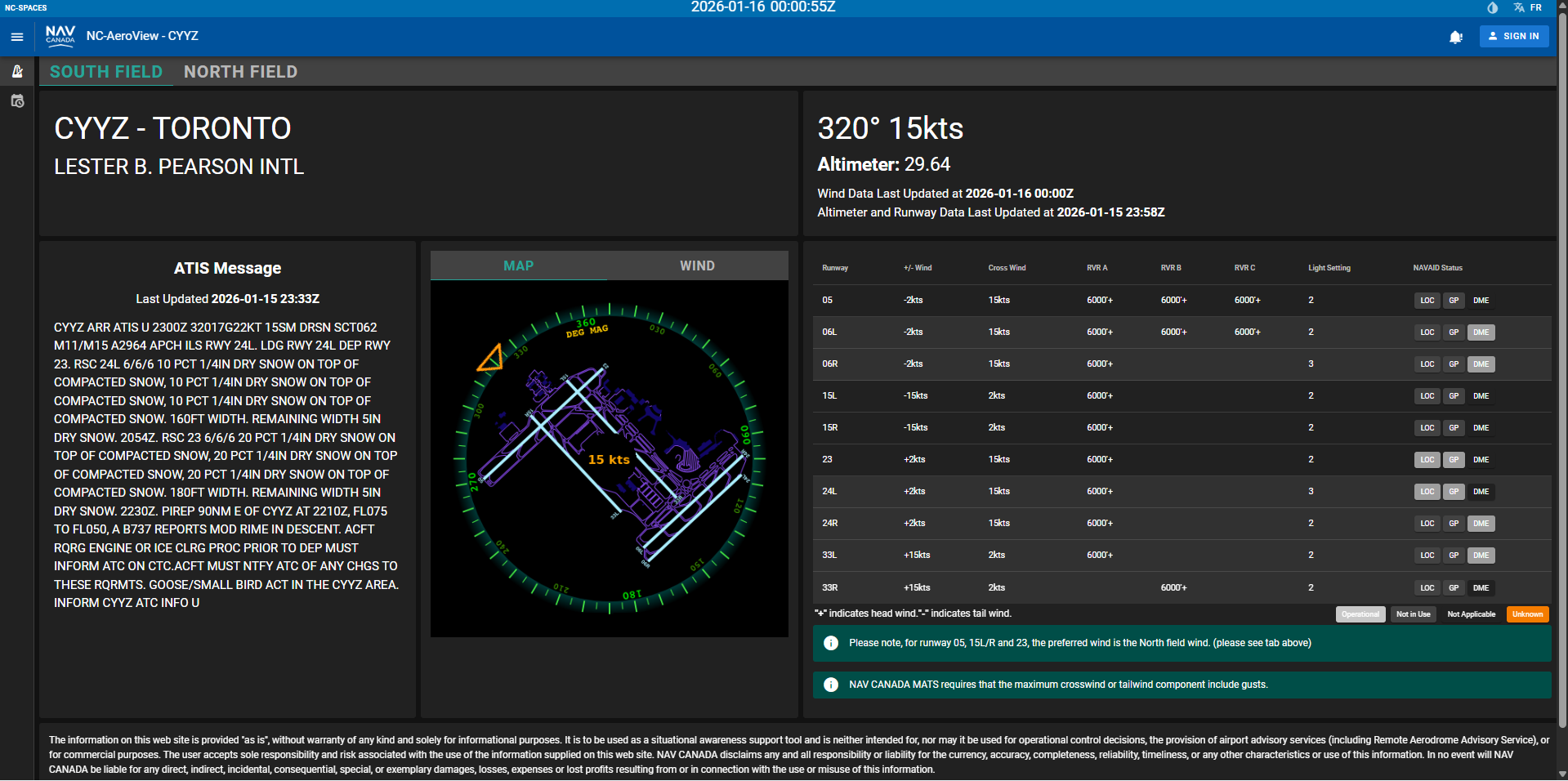
Exhibit 3.2: South Field wind capture (15 kts).
Exhibit 3.3: WebTrak recording of Westbound concentration during localized shifts.
Forensic Log 04: Jan 16 — The Split-Field Contradiction
AeroView reported simultaneous, conflicting winds between South and North fields at the same moment. The system can see localized wind variation — but ignores it when it would justify respite-capable configurations.
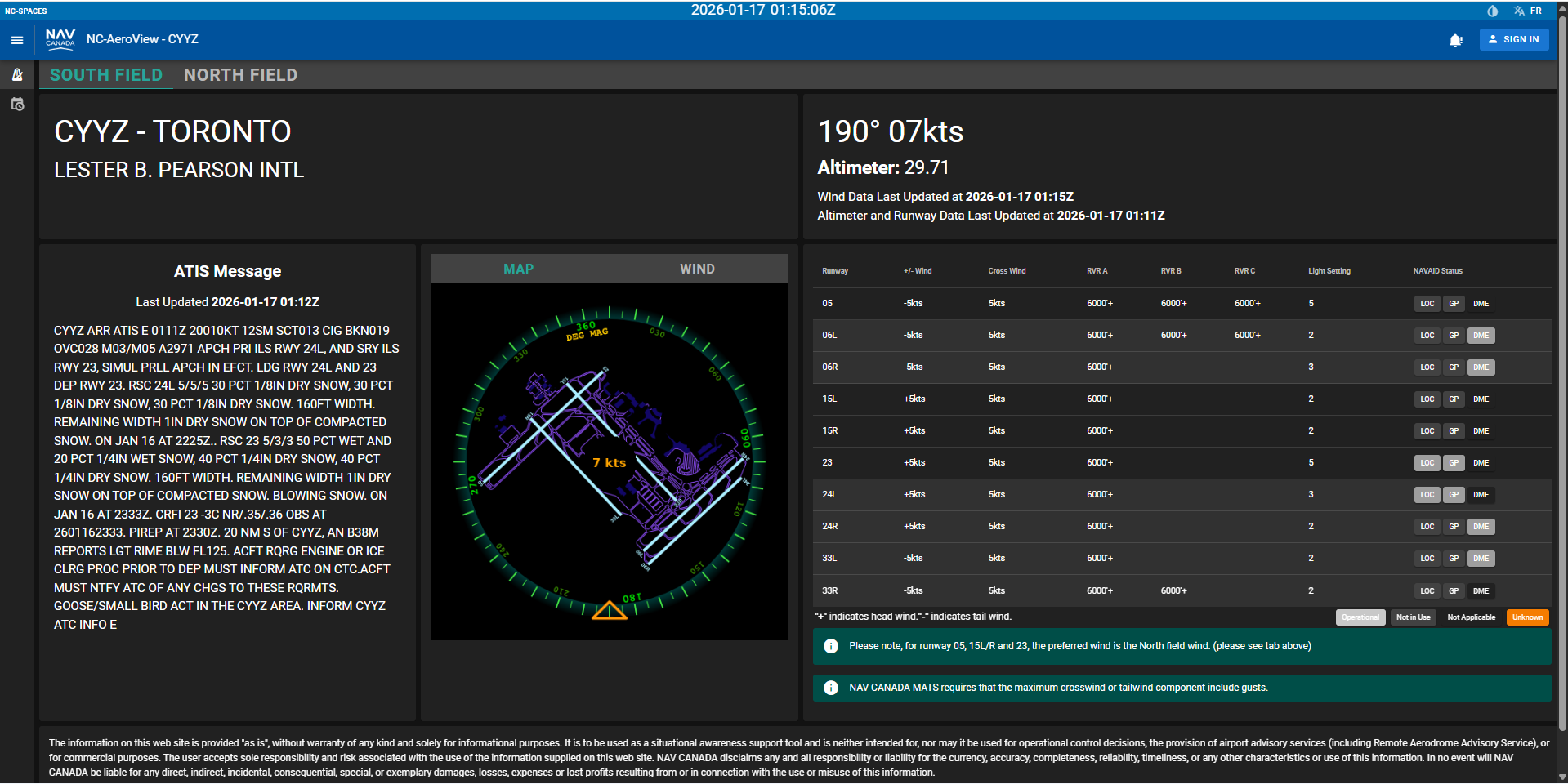
Exhibit 4.1: South Field — 190° @ 7 kts (AeroView).
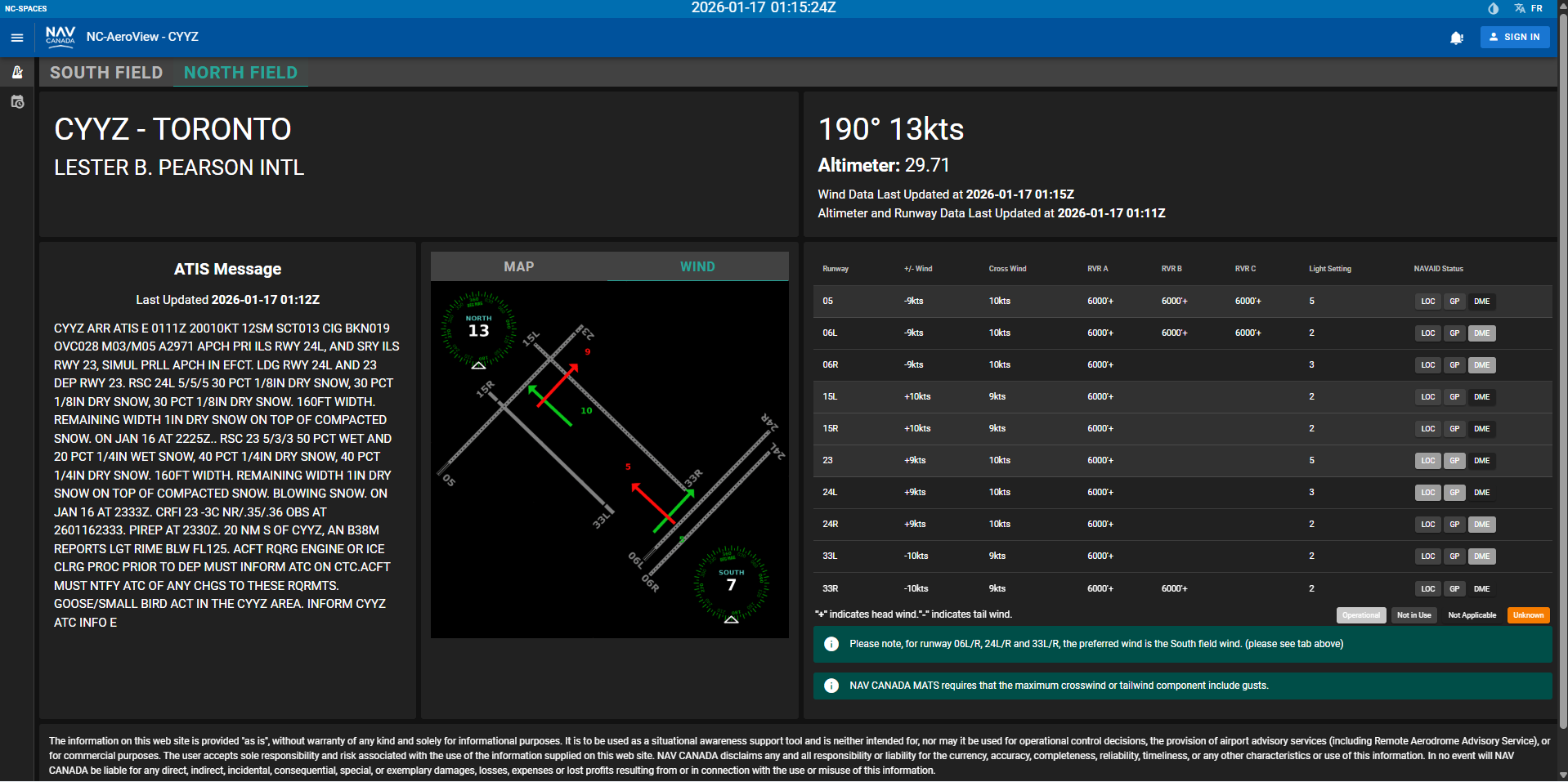
Exhibit 4.2: North Field — 190° @ 13 kts (AeroView).
Exhibit 4.3: Screen recording toggling between fields, confirming split-field winds.
Forensic Log 05: Jan 17 — Split-Field Throughput, Reconfirmed
Split-field winds were again visible. The limitation is not technology, and not meteorology — it is discretionary choice.
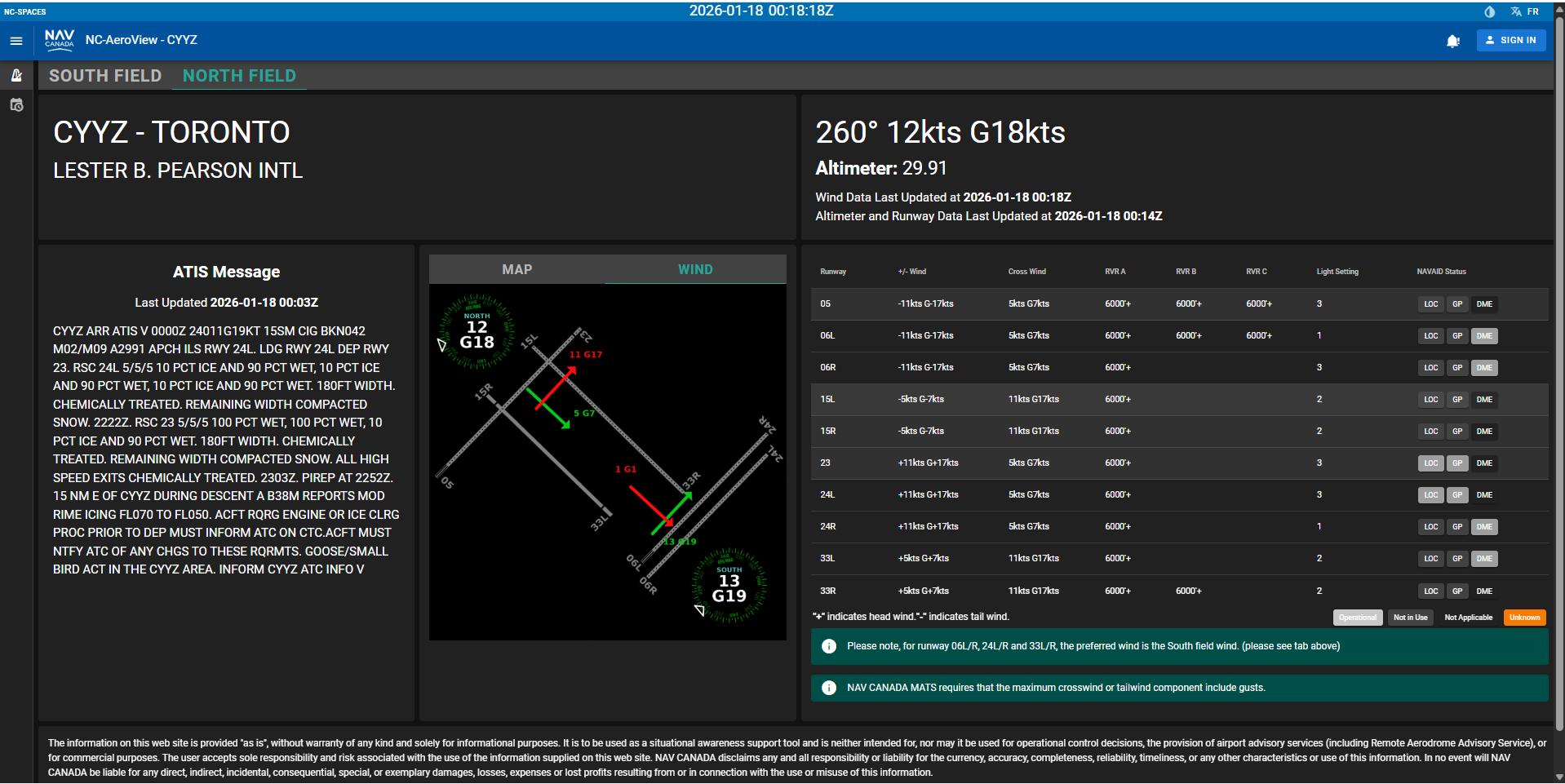
Exhibit 5.1: South Field — ~240° @ 13 kts G19.
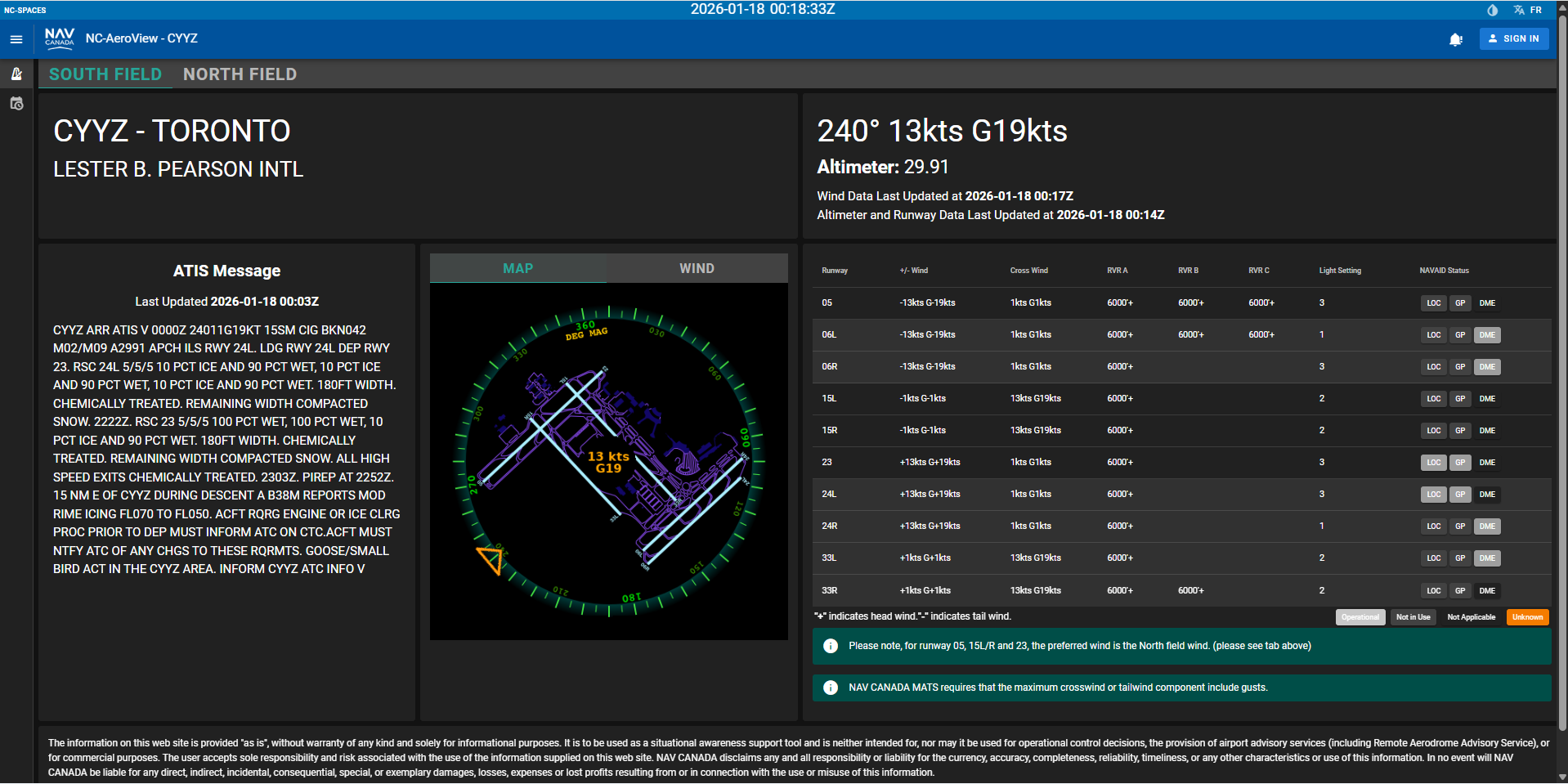
Exhibit 5.2: North Field — ~260° @ 12 kts G18.
Exhibit 5.3: Screen recording confirming repeated split-field winds.
Forensic Log 06: Jan 17–18 — Overnight Abuse of Discretion
Westbound arrivals continued into the protected sleep period despite wind-supported alternatives. This is not weather. It is policy-by-throughput.
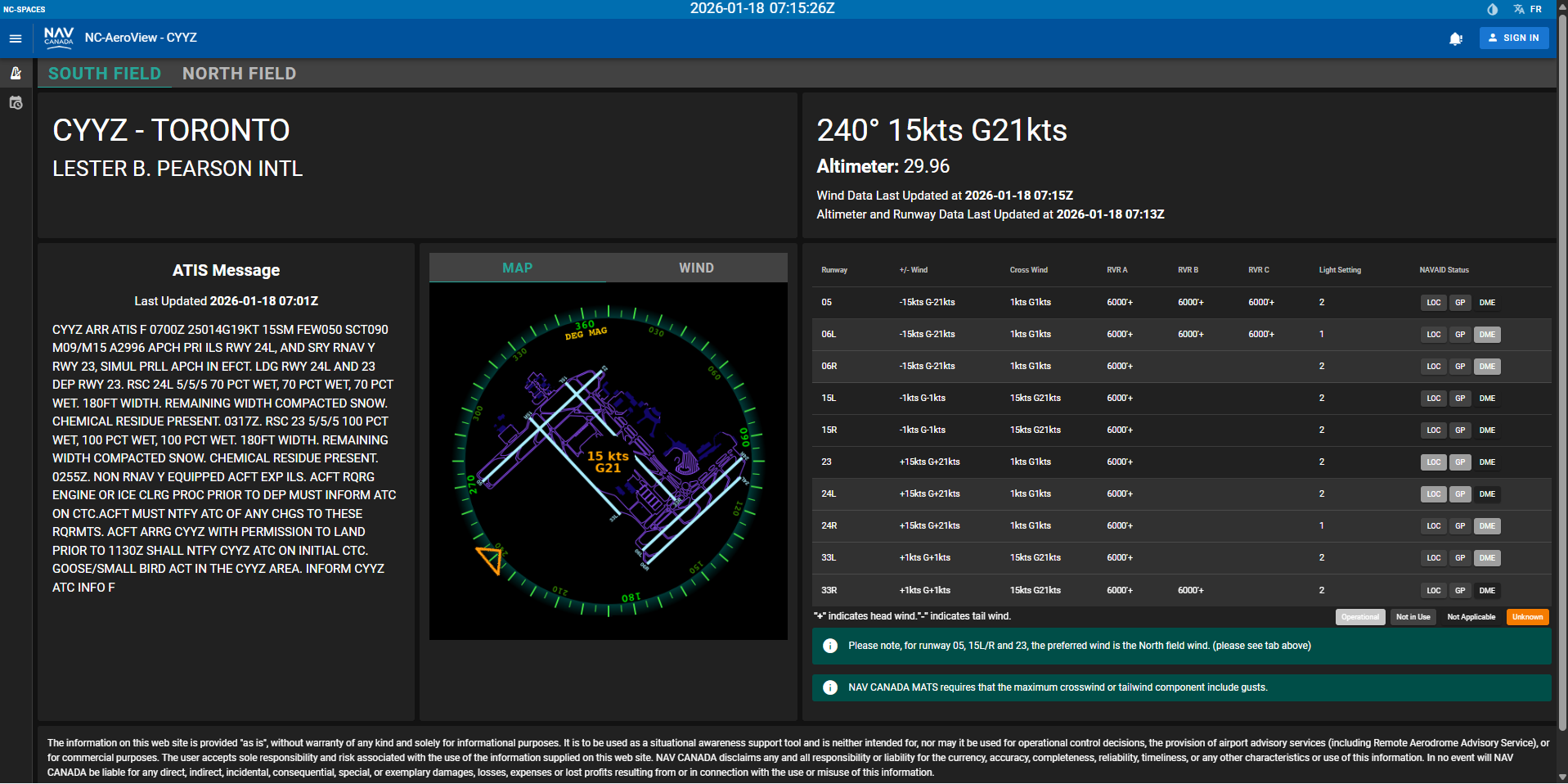
Exhibit 6.1: South Field — 240° @ 15 kts G21 (07:15Z).
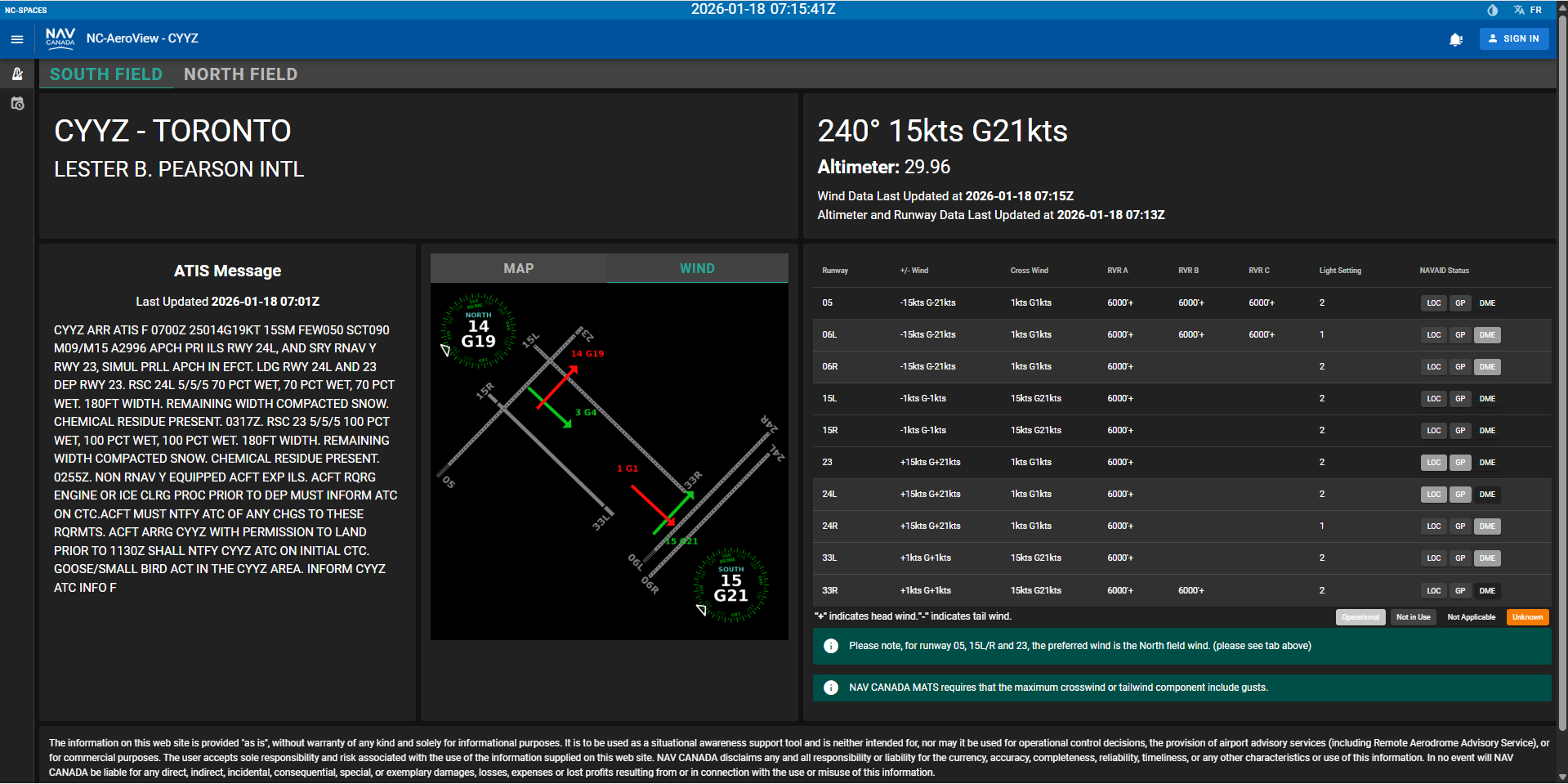
Exhibit 6.2: Component table — headwind-favourable options available.
Forensic Log 07: Jan 18 (Evening) — Continued Discretion After Overnight Abuse
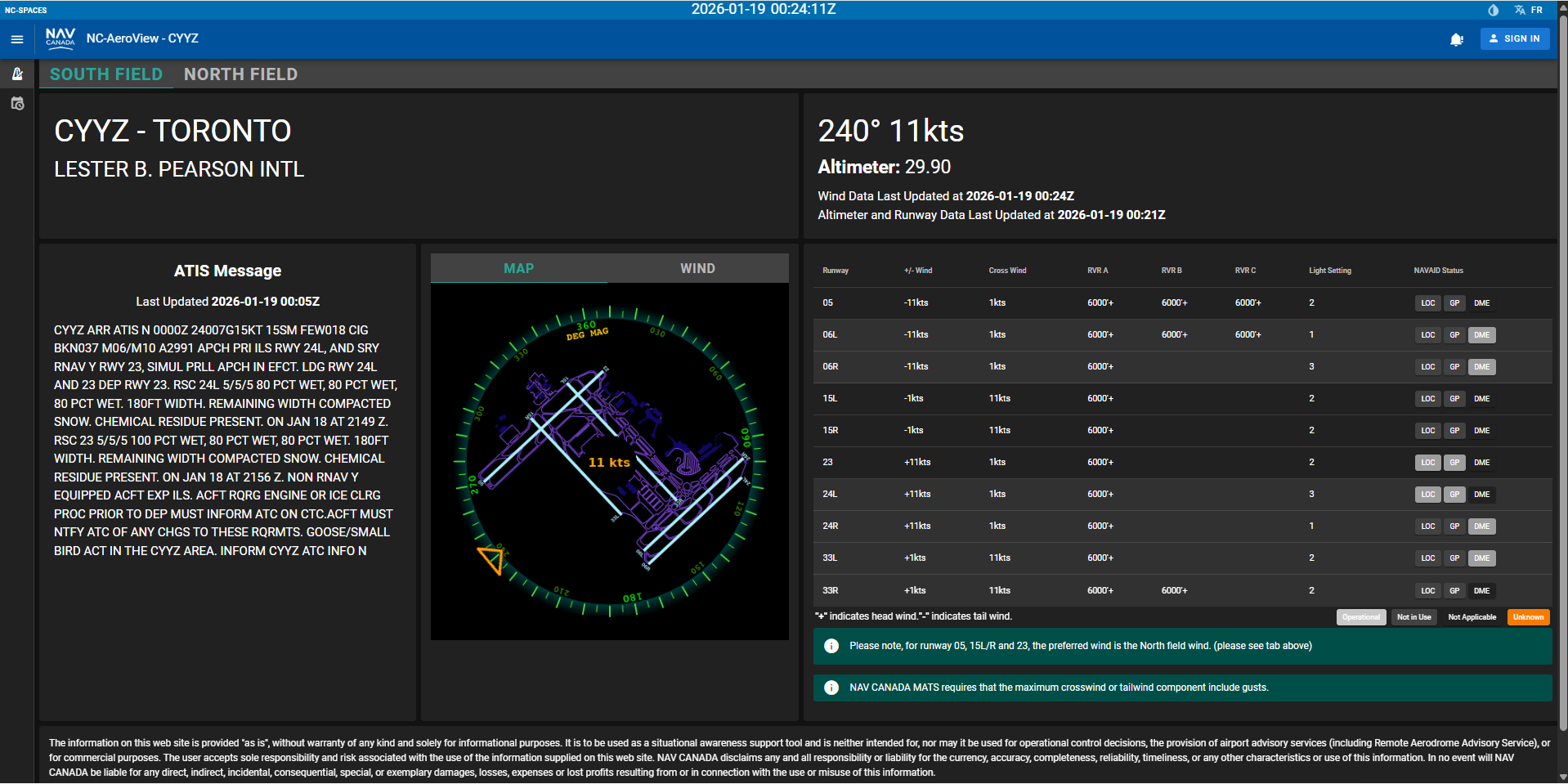
Exhibit 7.1: Evening snapshot — continued corridor use.
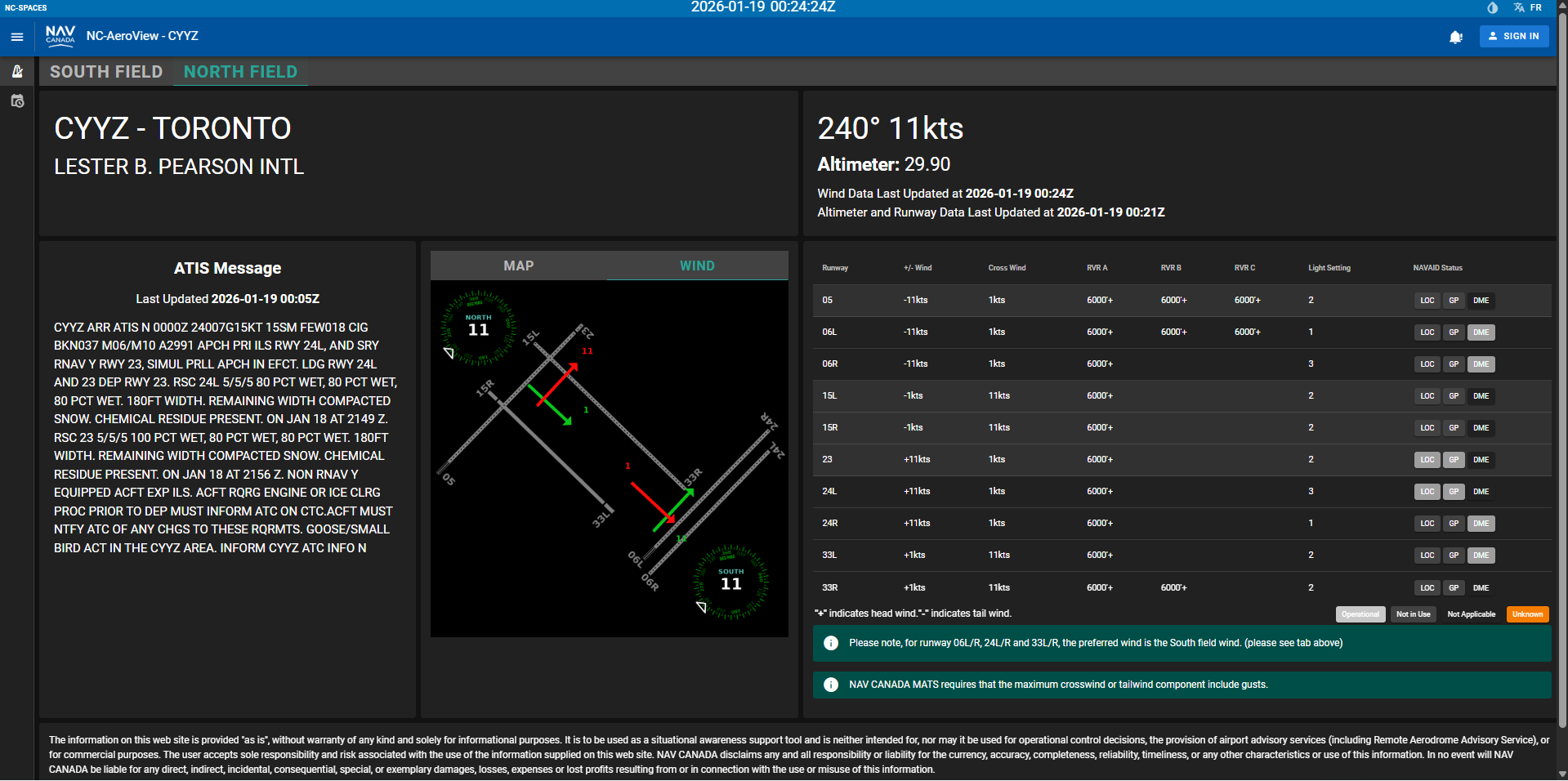
Exhibit 7.2: Evening wind display — alternatives remained viable.
Forensic Log 08: Jan 20 — Repetition Under New Conditions
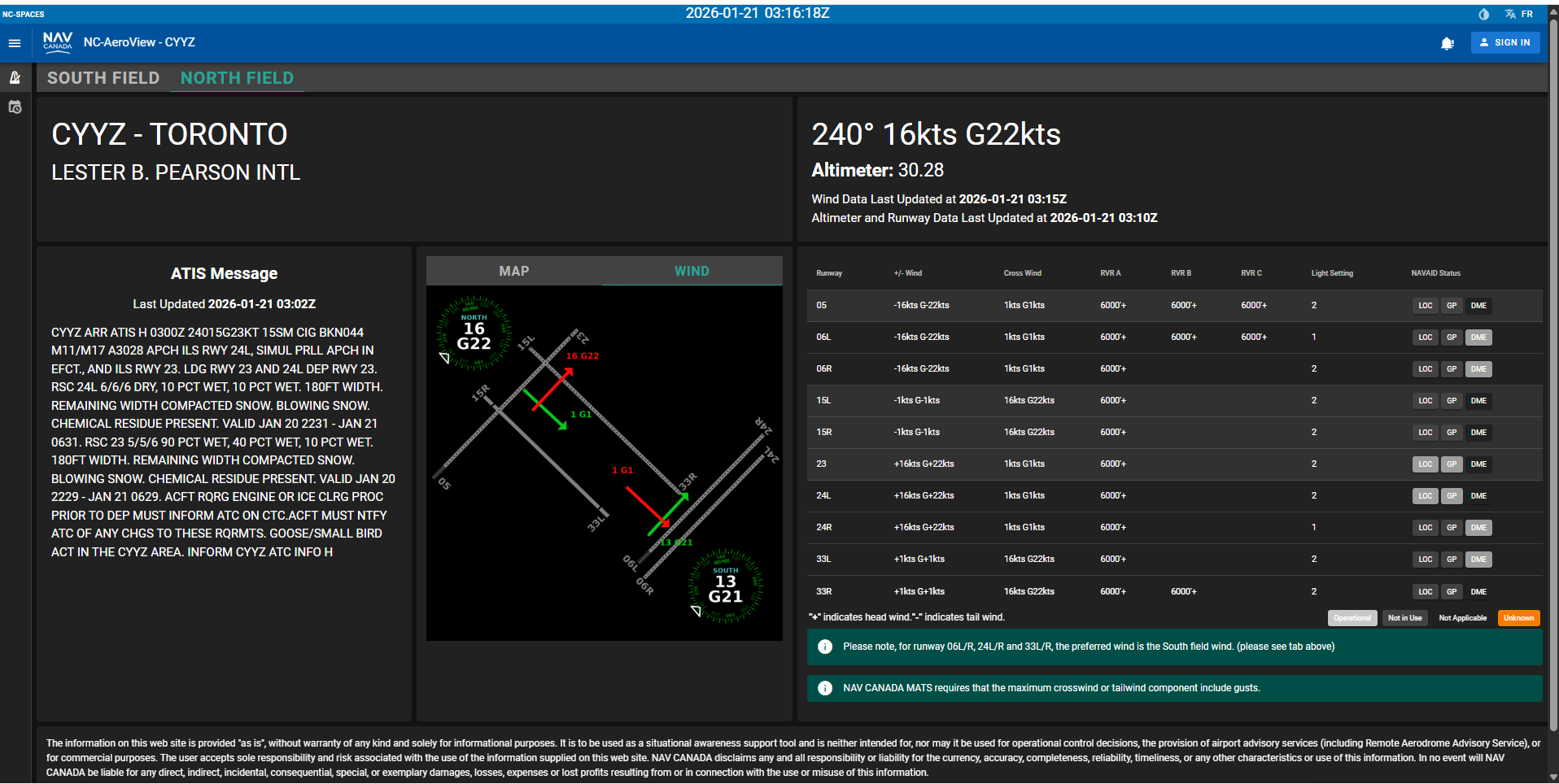
Exhibit 8.1: Jan 20 — routine winds, repeat outcome.
Forensic Log 09: Jan 21 (Morning) — Split-Field Choice, Not Constraint
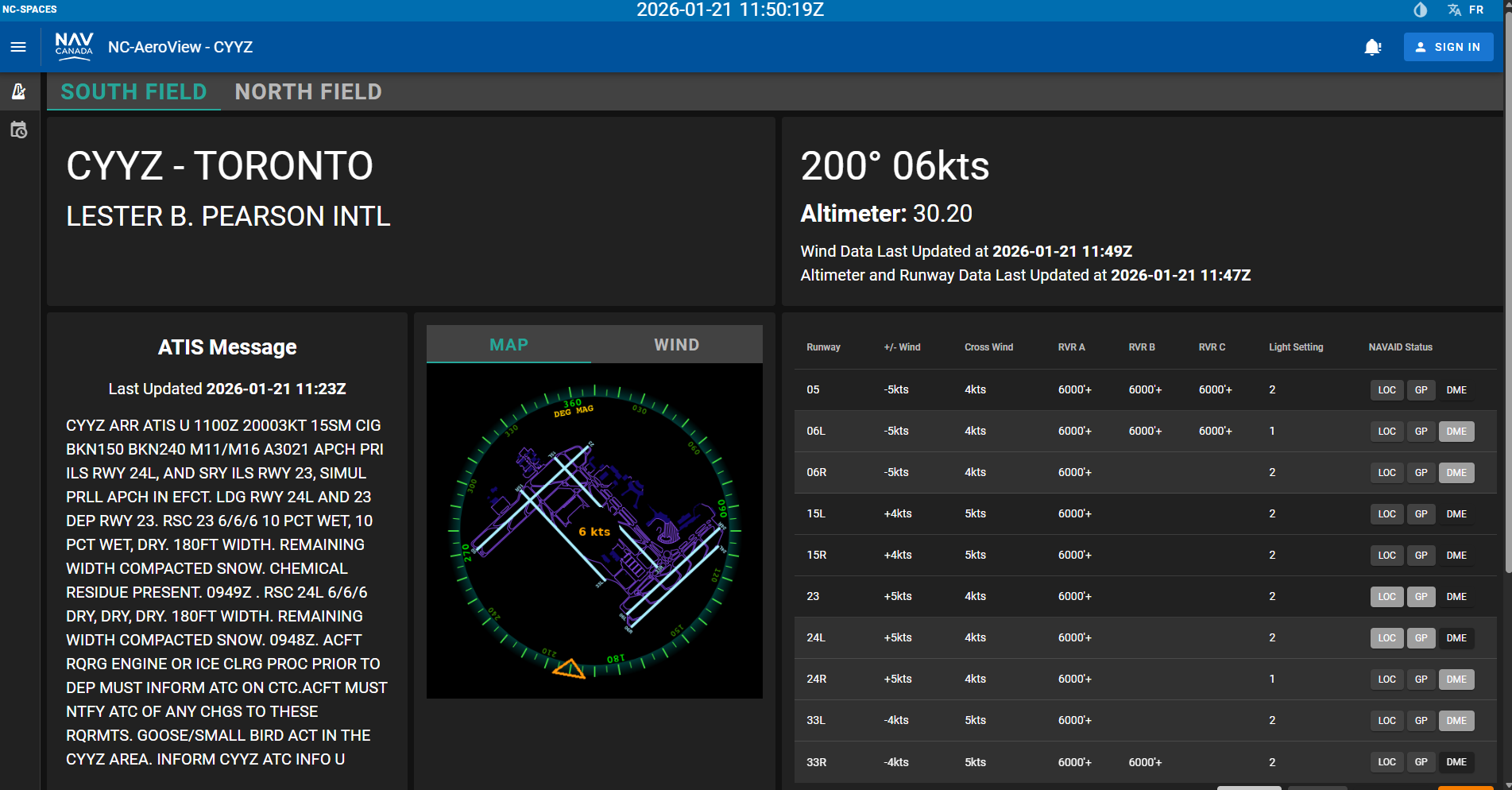
Exhibit 9.1: Jan 21 morning — manageable winds.
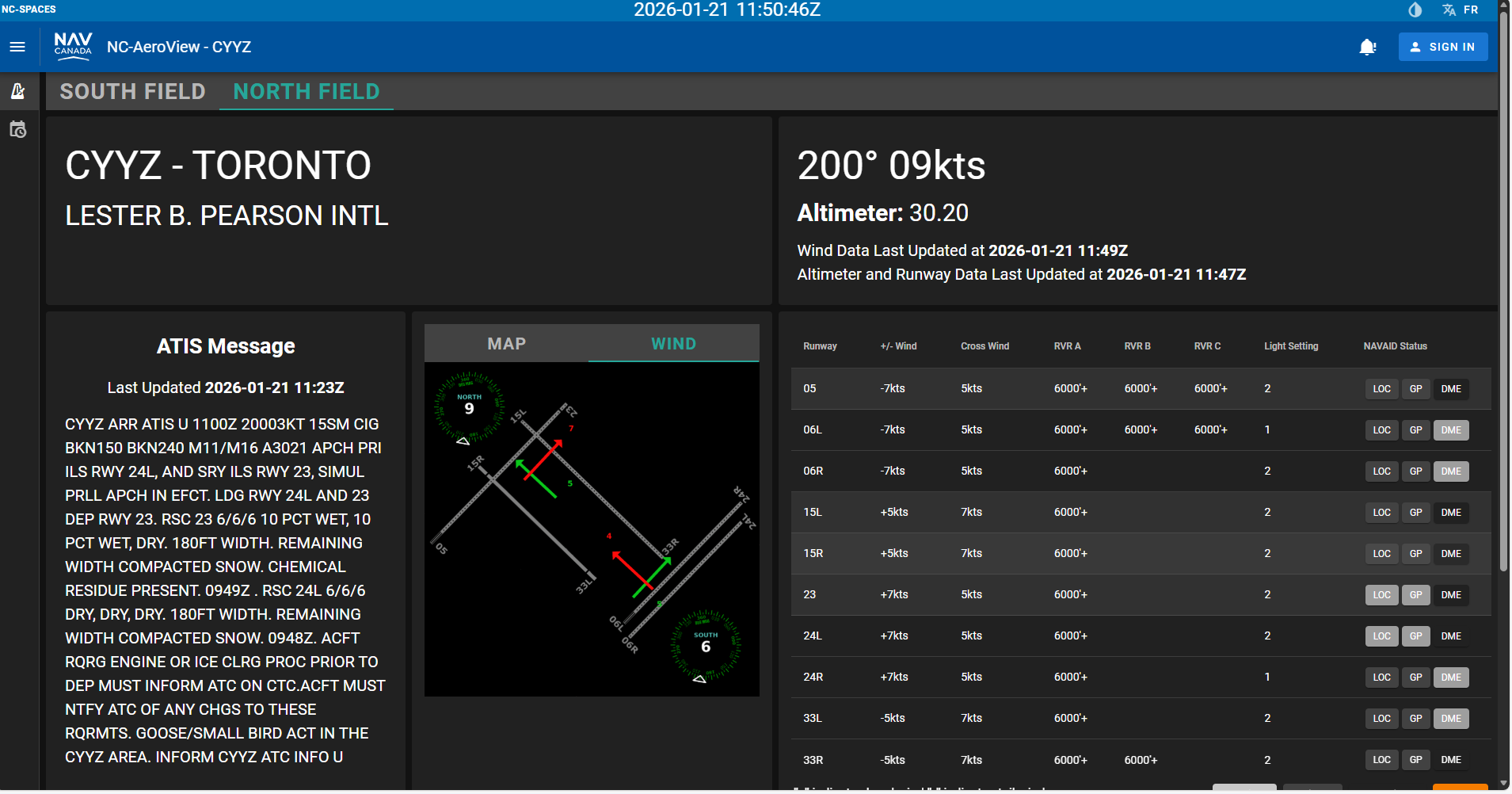
Exhibit 9.2: Paired field view — no forcing event.
Forensic Log 10: Jan 21 (Evening) — Pattern Consolidated
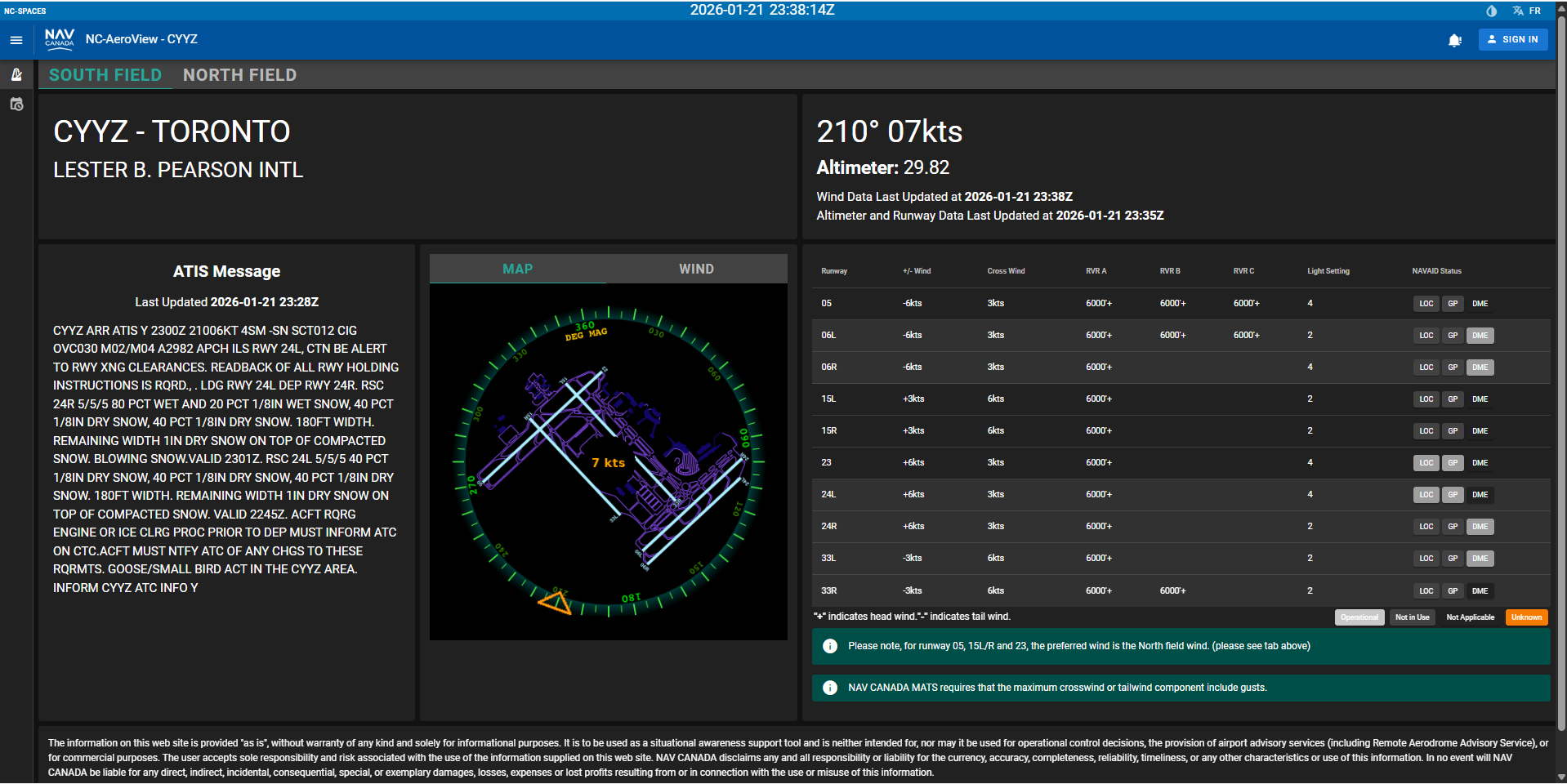
Exhibit 10.1: Jan 21 evening — continued corridor concentration.
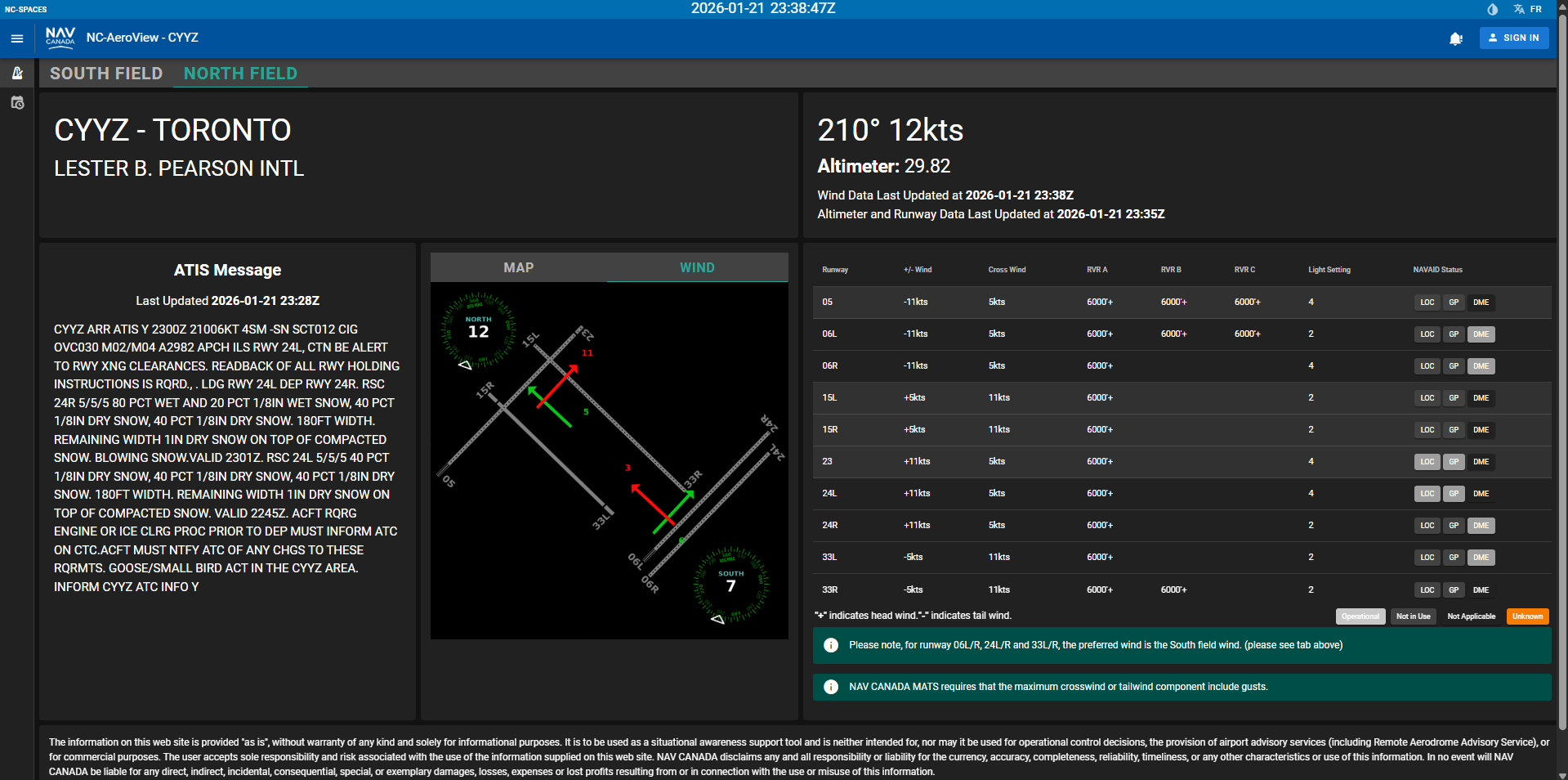
Exhibit 10.2: Jan 21 evening — alternatives still viable.
Forensic Log 11: Jan 25–26 — Operational Efficiency, Not Wind
These panels capture routine winds (roughly 9–14 kts, headings spanning 040° to 260°) where multiple runway sets remain comfortably usable — yet guidance still steers toward “preferred” throughput systems.
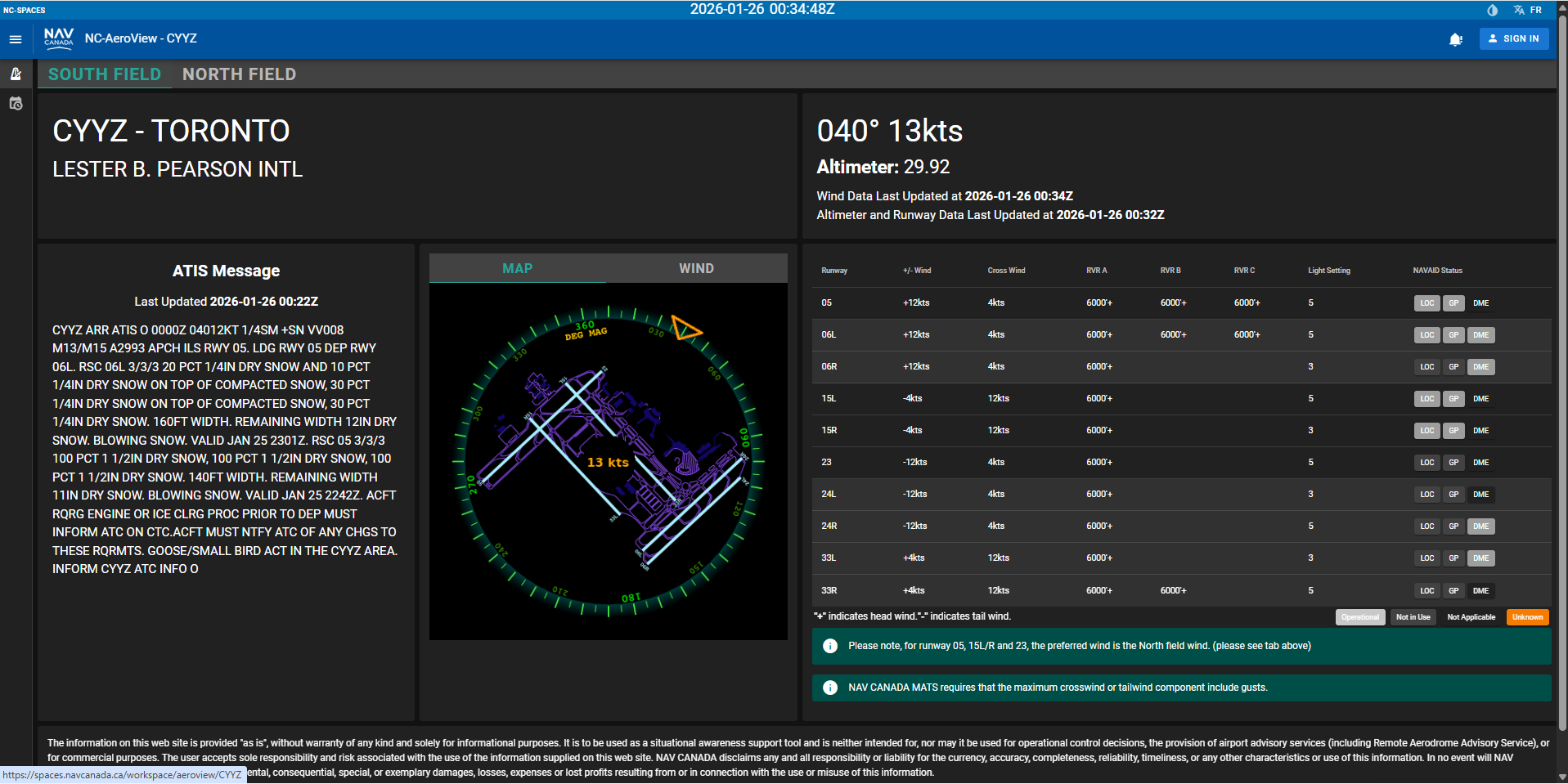
Exhibit 11.1: South Field — 040° @ 13 kts.
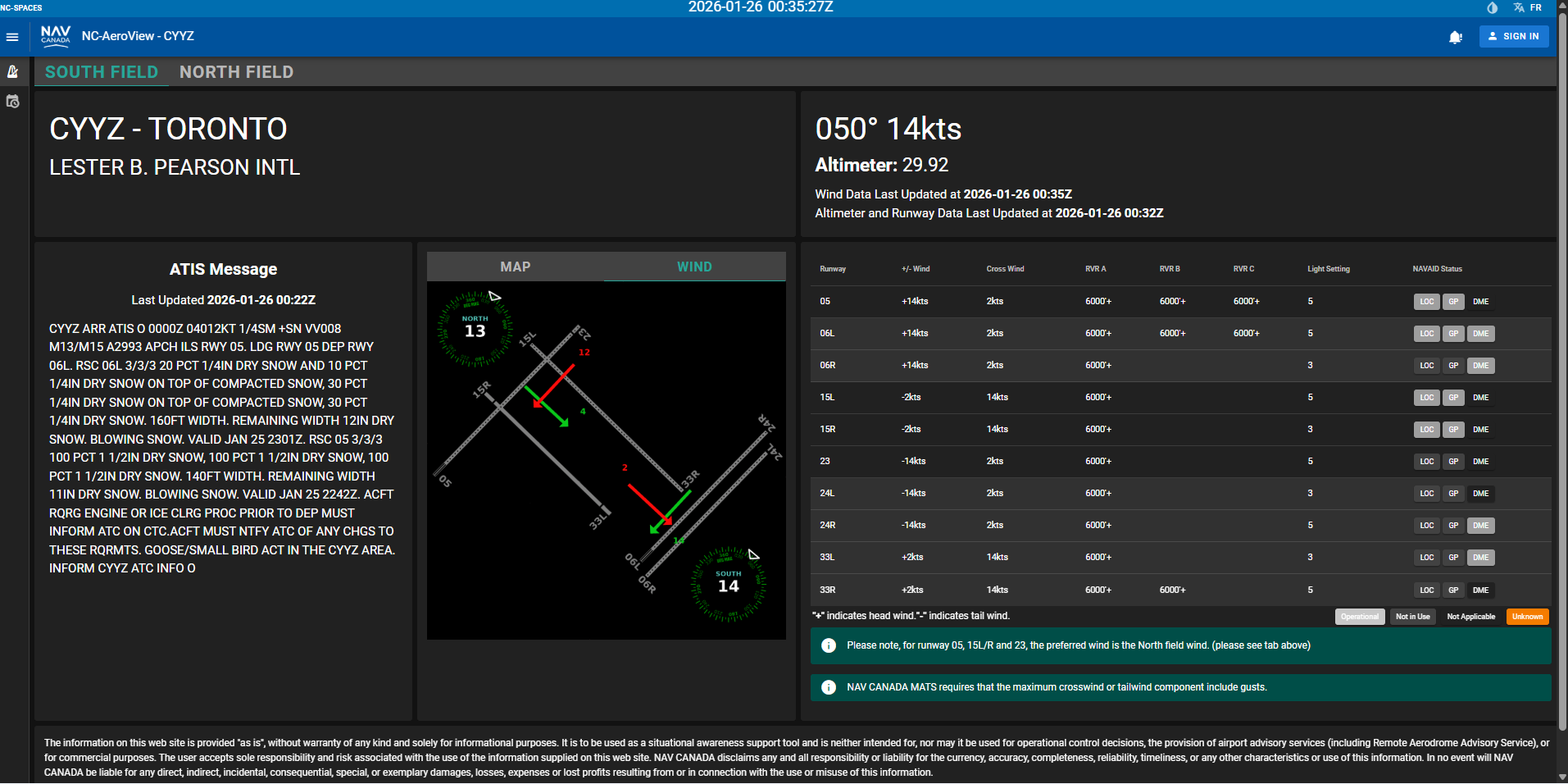
Exhibit 11.2: South Field — 050° @ 14 kts.
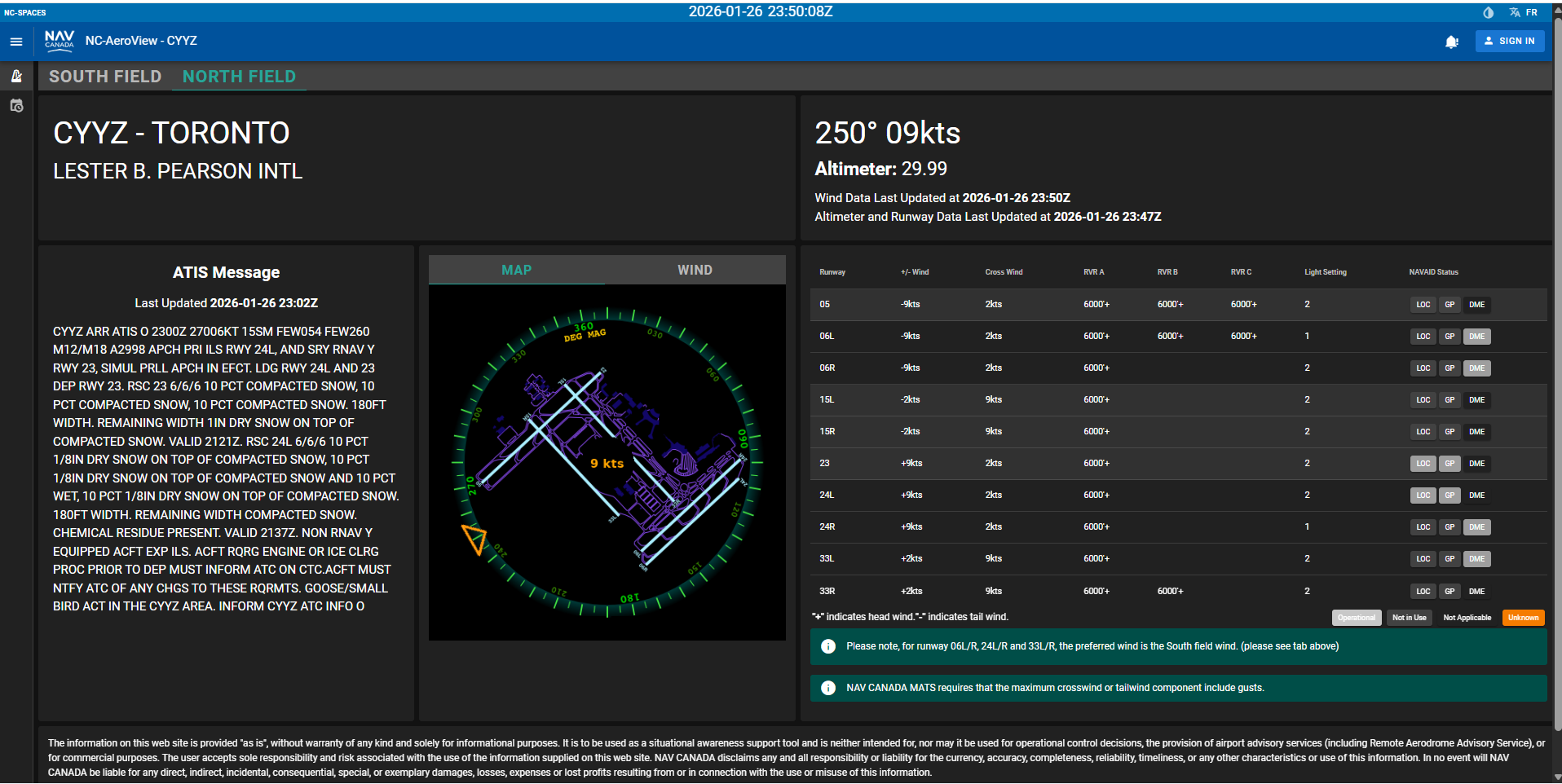
Exhibit 11.3: North Field — ~250° @ 9 kts.
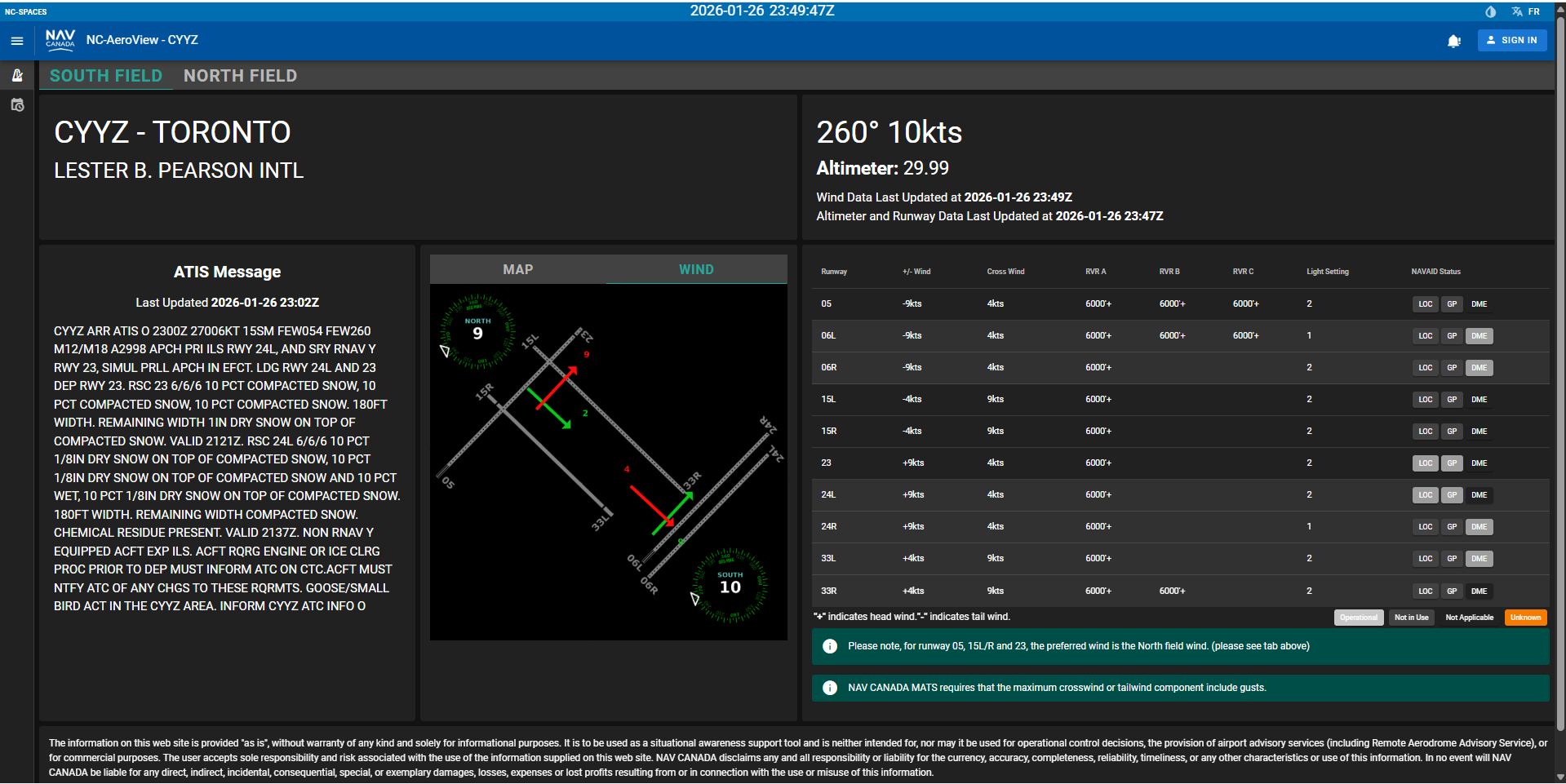
Exhibit 11.4: South Field — ~260° @ 10 kts.
Forensic Log 12: Jan 27 — Into-Wind Options Explicitly Available
AeroView captured west winds around 270° at 14–15 kts gusting 21. The runway component tables show strong headwind support for 24L/24R/23 and usable margins for the 33s. This is not a forcing event.
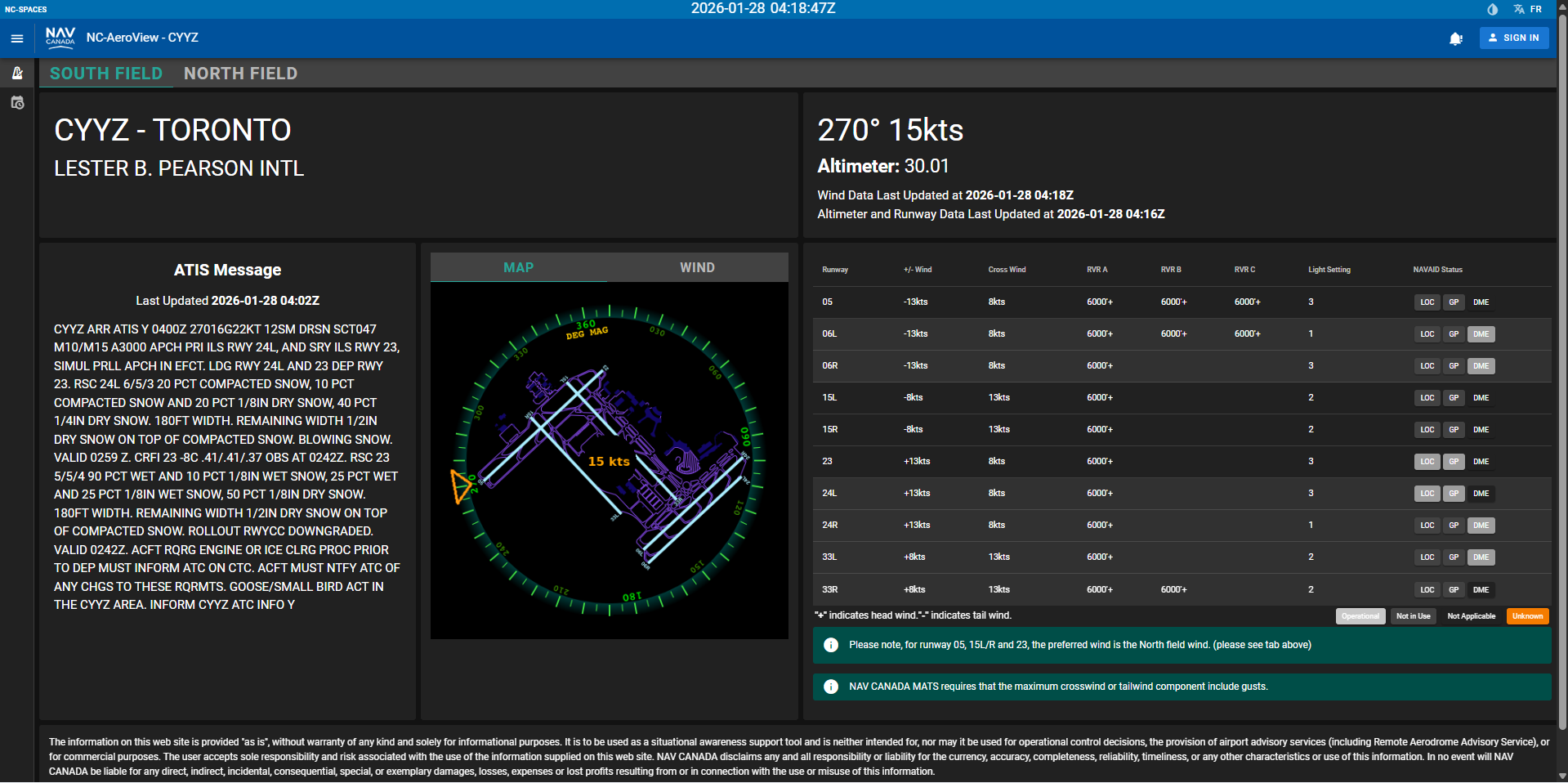
Exhibit 12.1: North Field — 270° @ 14 kts G21.
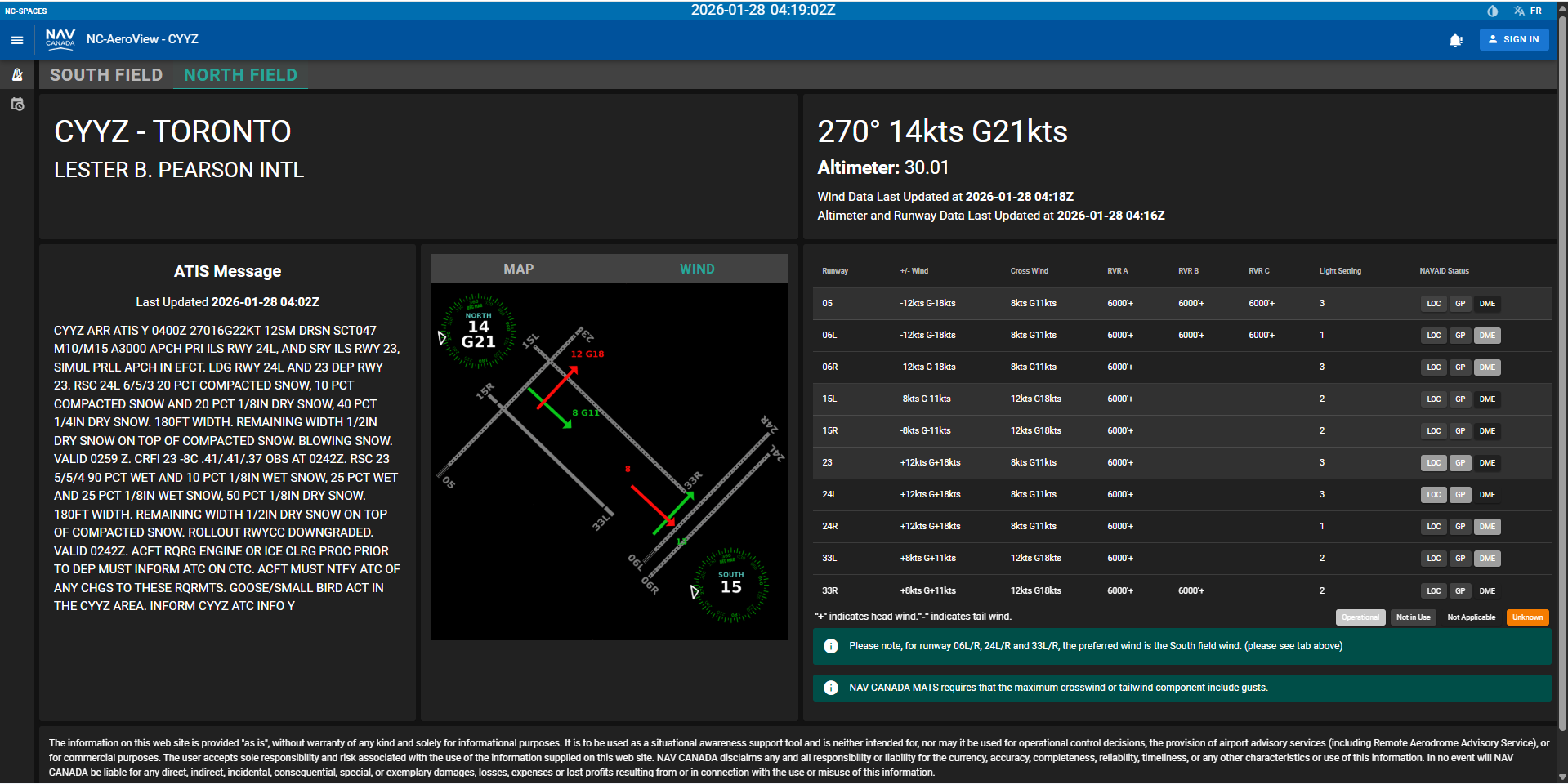
Exhibit 12.2: South Field — 270° @ 15 kts.
Forensic Log 13: Jan 29 — Routine Winds, Same Throughput Bias
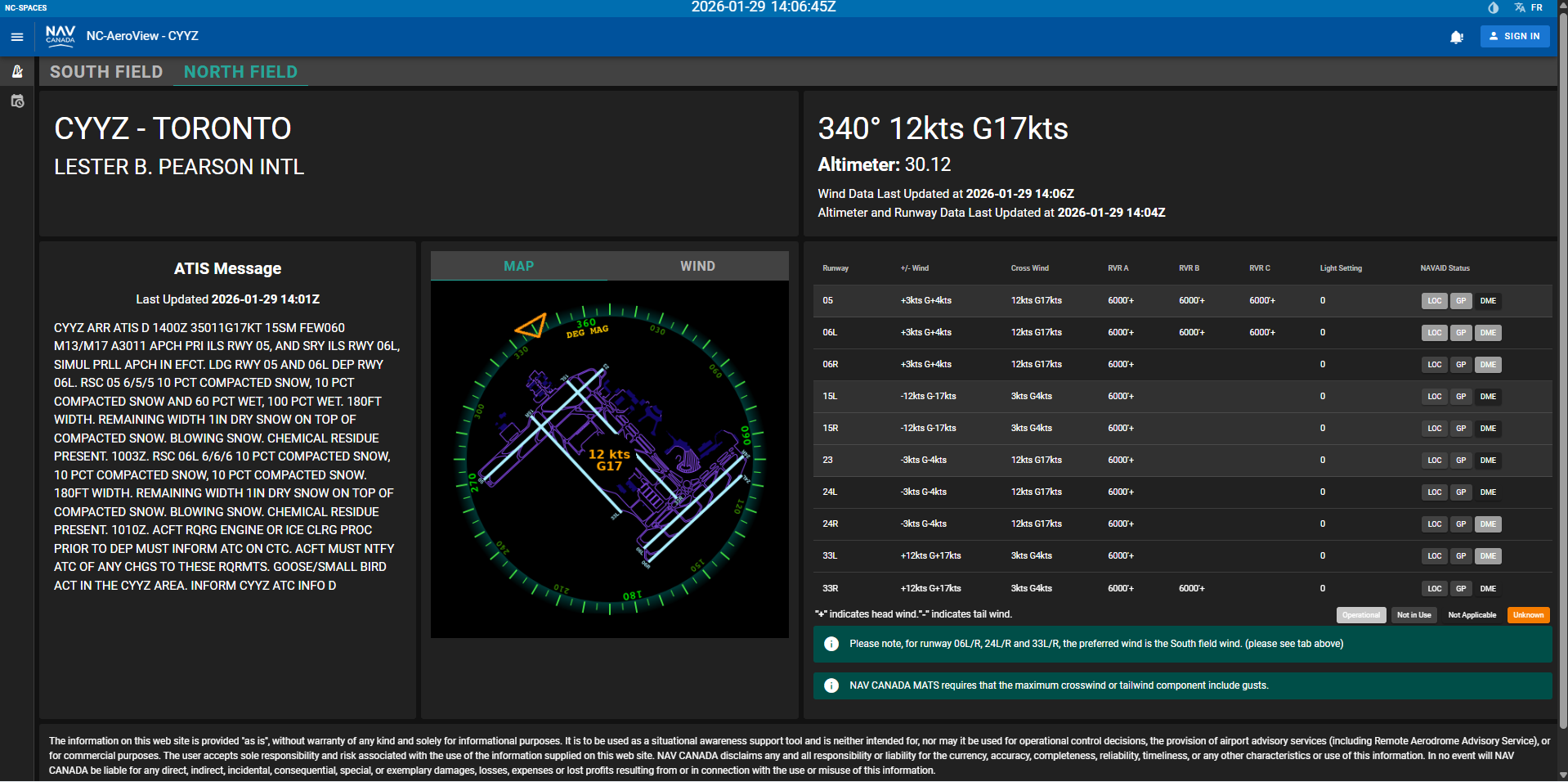
Exhibit 13.1: Jan 29 — routine NNW wind.
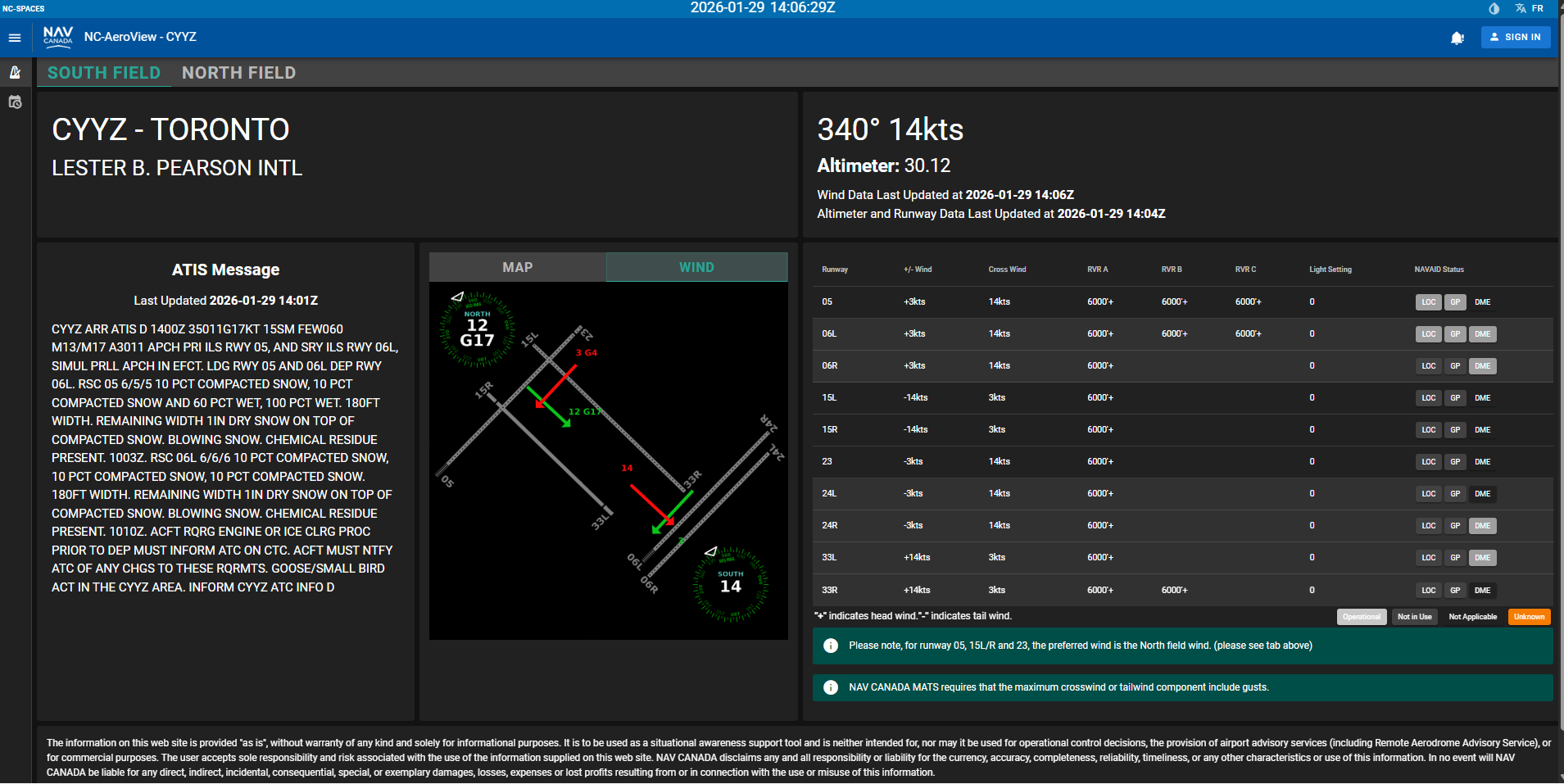
Exhibit 13.2: Jan 29 — component view (multiple safe options).
Forensic Log 14: Jan 30 — Crosswind Acceptance as a Preference Signal
These captures show the system accepting a meaningful crosswind component on the active configuration. If “wind dictates the runway,” the component table would collapse into one conservative option. It does not.
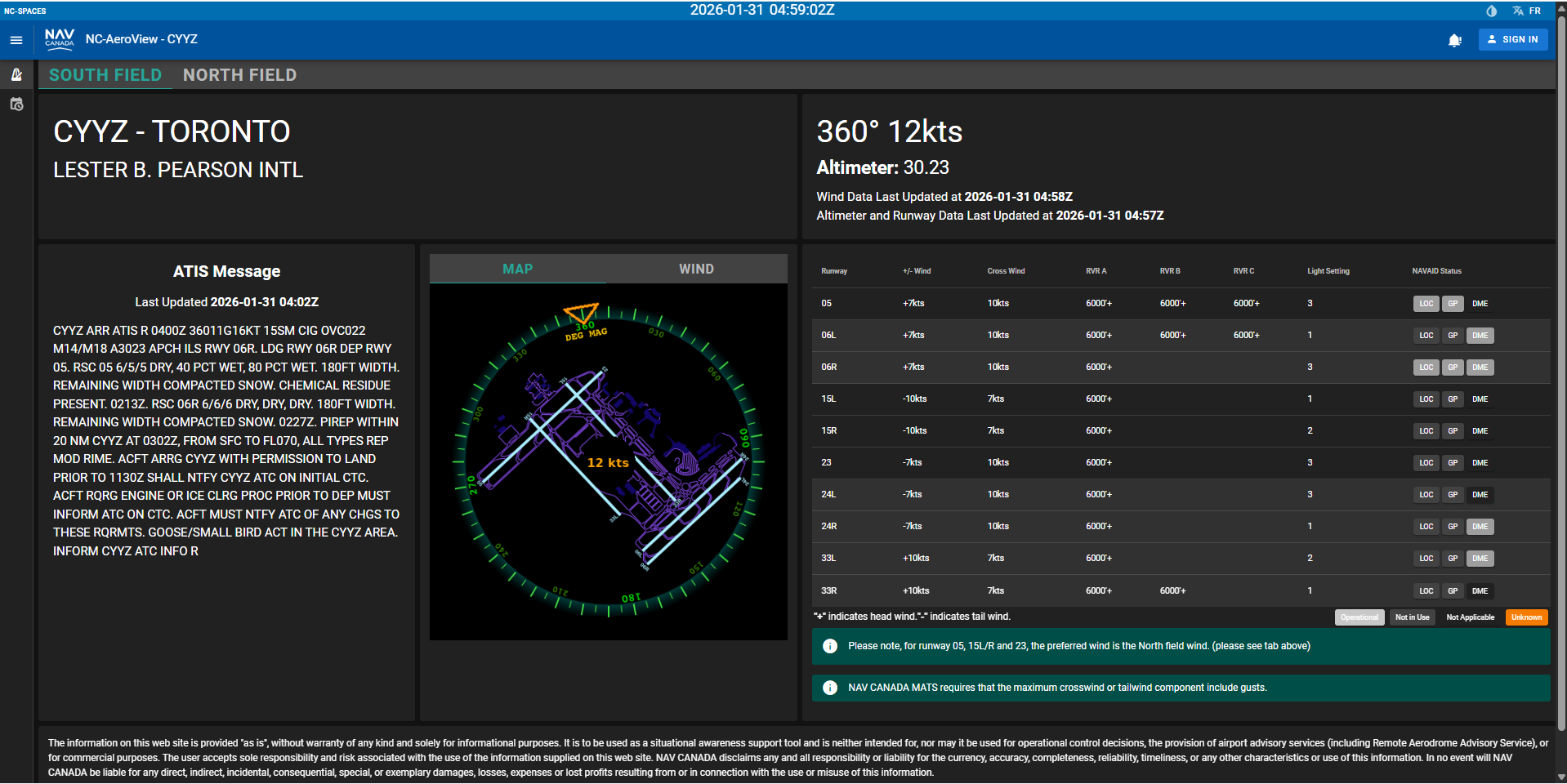
Exhibit 14.1: North Field — 360° @ 12 kts (04:59Z). Crosswind accepted on 05/06 while 33s showed better alignment.
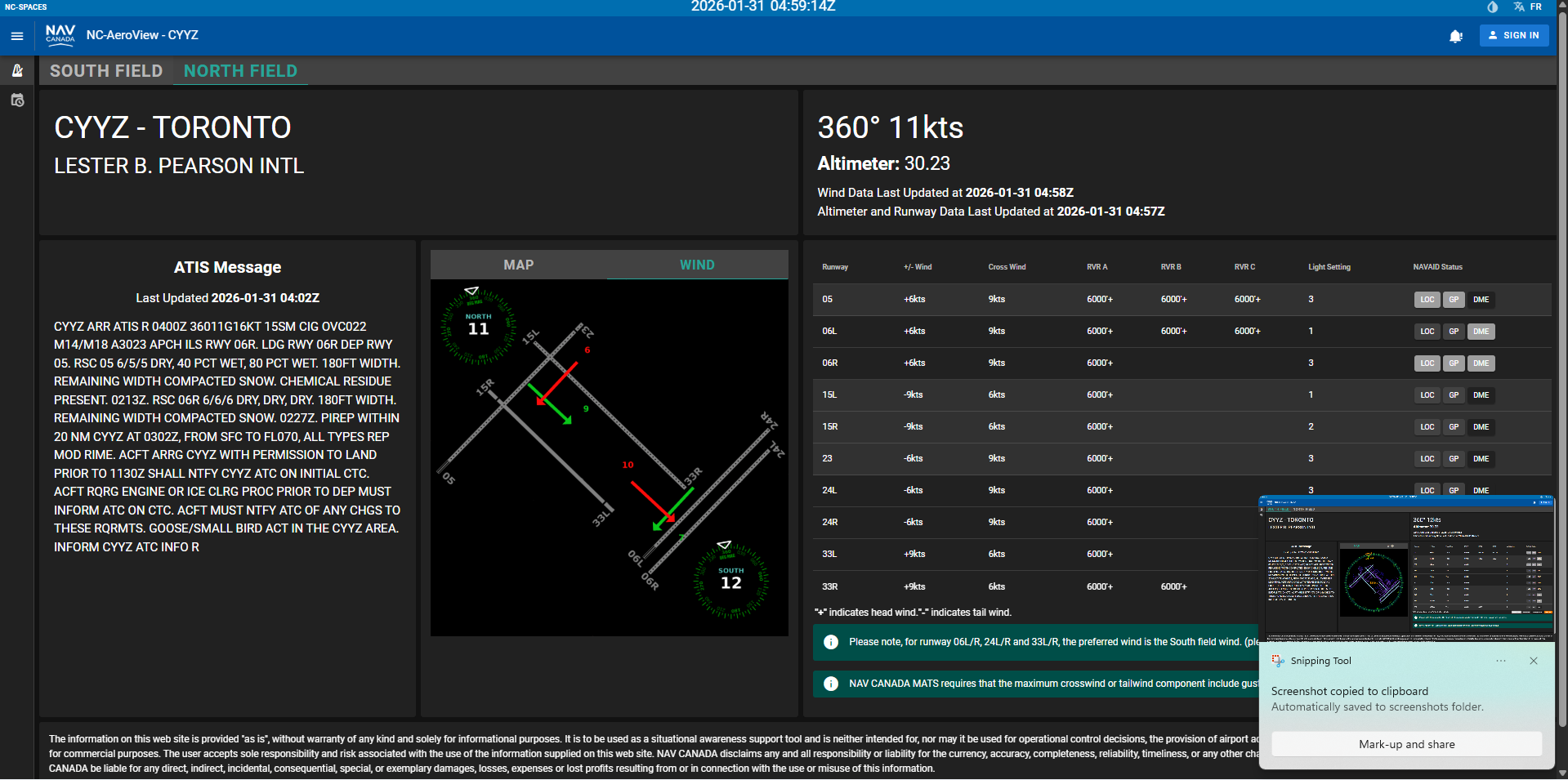
Exhibit 14.2: North Field — 360° @ 11 kts (04:59Z). Same pattern: crosswind tolerance while 33s remained viable.
Forensic Log 15: Feb 1 — Crosswind Chosen While 33s Were Clearly Better
AeroView shows winds around 350° at 13–14 kts. Under this vector, the runway component table indicates:
- Runway 05 / 06: approximately 12–13 kts crosswind with only about +5 kts headwind.
- Runway 33L / 33R: approximately +12 to +13 kts headwind with only about 5 kts crosswind.
In plain terms: the system can see a runway set that reduces crosswind and increases headwind. If a higher-crosswind configuration is still preferred, the driver is not wind — it is operational preference.
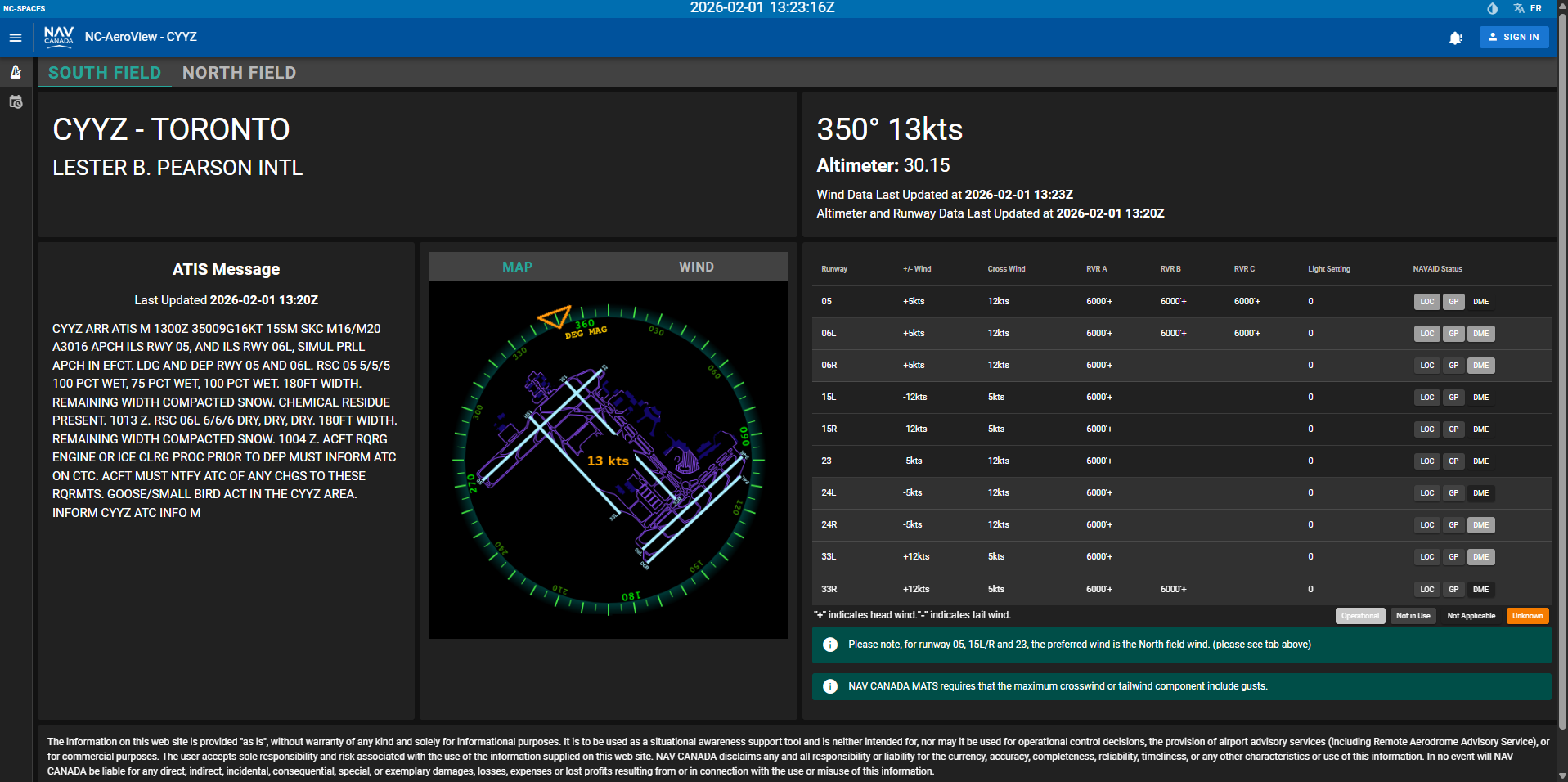
Exhibit 15.1: 350° @ 13 kts — 05/06 show ~12 kt crosswind while 33s show stronger headwind with lower crosswind.
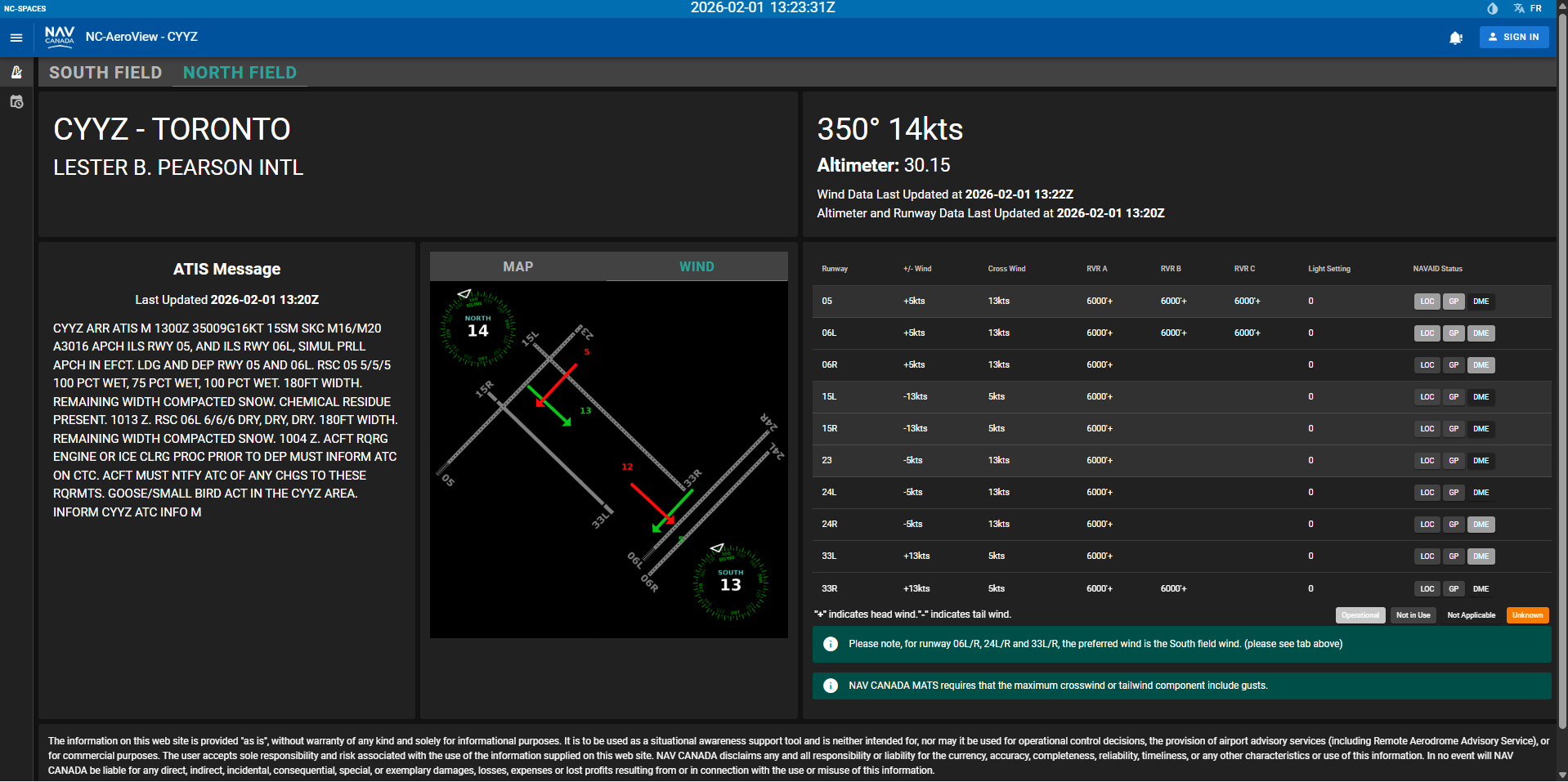
Exhibit 15.2: 350° @ 14 kts — same outcome; 33s remain the more conservative wind-aligned option.
Forensic Log 16: March 25 — Tailwind Accepted While Headwind Runways Were Available
AeroView captures from March 25, 2026 show arrivals continuing on Runway 24L and Runway 23 across a range of wind conditions, from light easterly flow to stronger east-southeast winds. In each case, the runway component tables show a tailwind or unfavourable crosswind on Runway 23/24 while Runways 05/06 provide a headwind-aligned configuration.
The significance of this record is its simplicity. This is not a complex split-field case or a borderline crosswind scenario. It is a straightforward example in which a headwind-favourable configuration was available, yet arrivals remained on a tailwind configuration.
Read conservatively, this does not by itself establish a regulatory breach or prove that any individual operation was unlawful or unsafe. It does, however, provide another clear example that runway selection at Toronto Pearson is not dictated by wind alone.
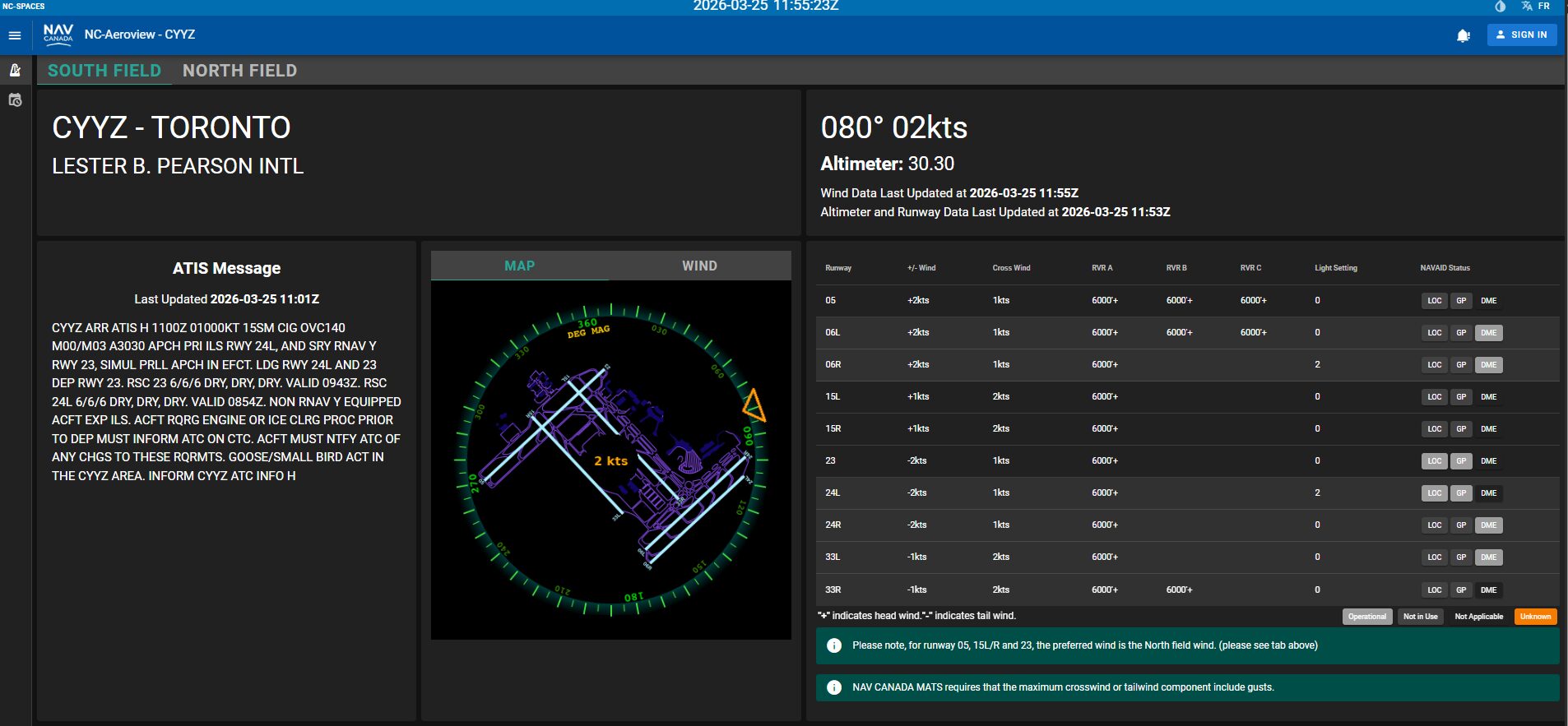
Exhibit 16.1: North Field — 050° @ 2 kts. ATIS indicates arrivals on RWY 24L and 23 while the component table shows headwind on RWY 05/06 and tailwind on RWY 23 and RWY 24L/24R.
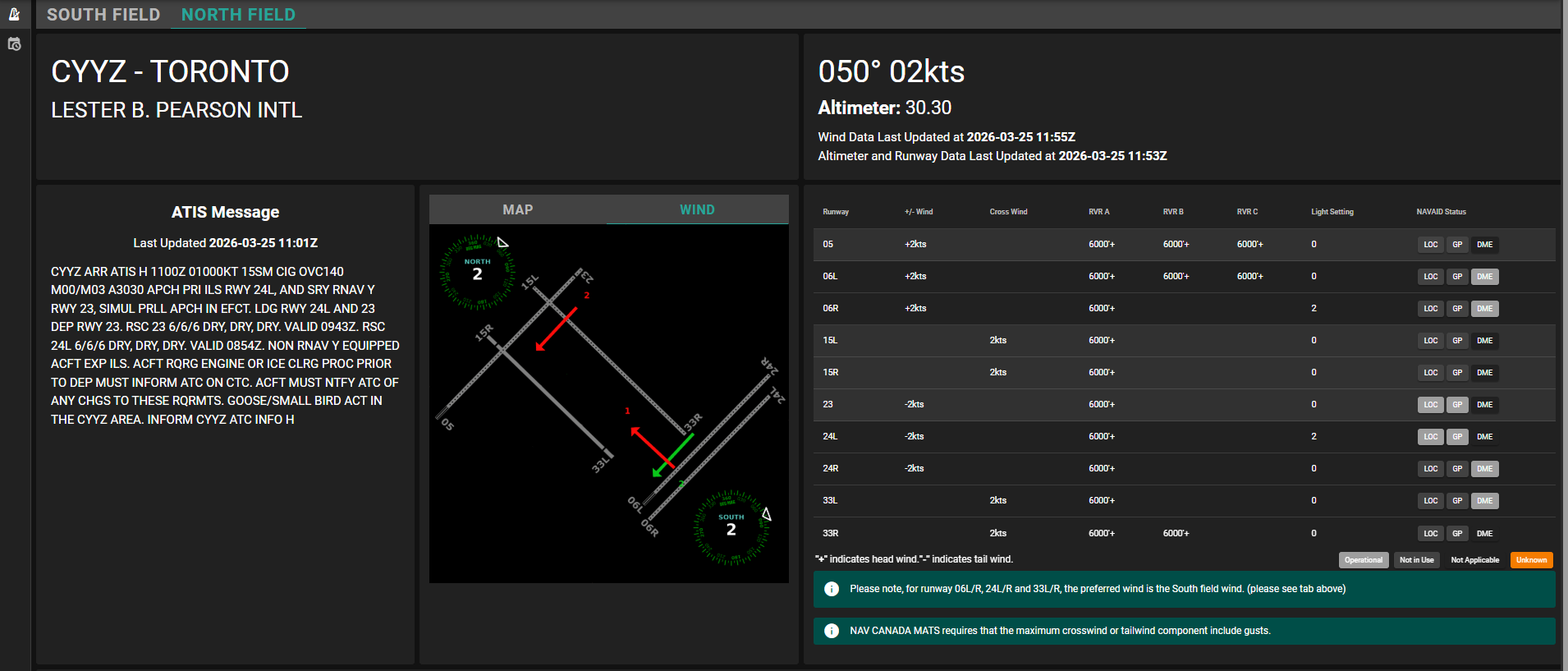
Exhibit 16.2: South Field — 080° @ 2 kts. The same pattern is confirmed: RWY 05/06 show headwind while RWY 23 and RWY 24L/24R show tailwind, with ATIS still indicating RWY 24L and 23 for arrivals.
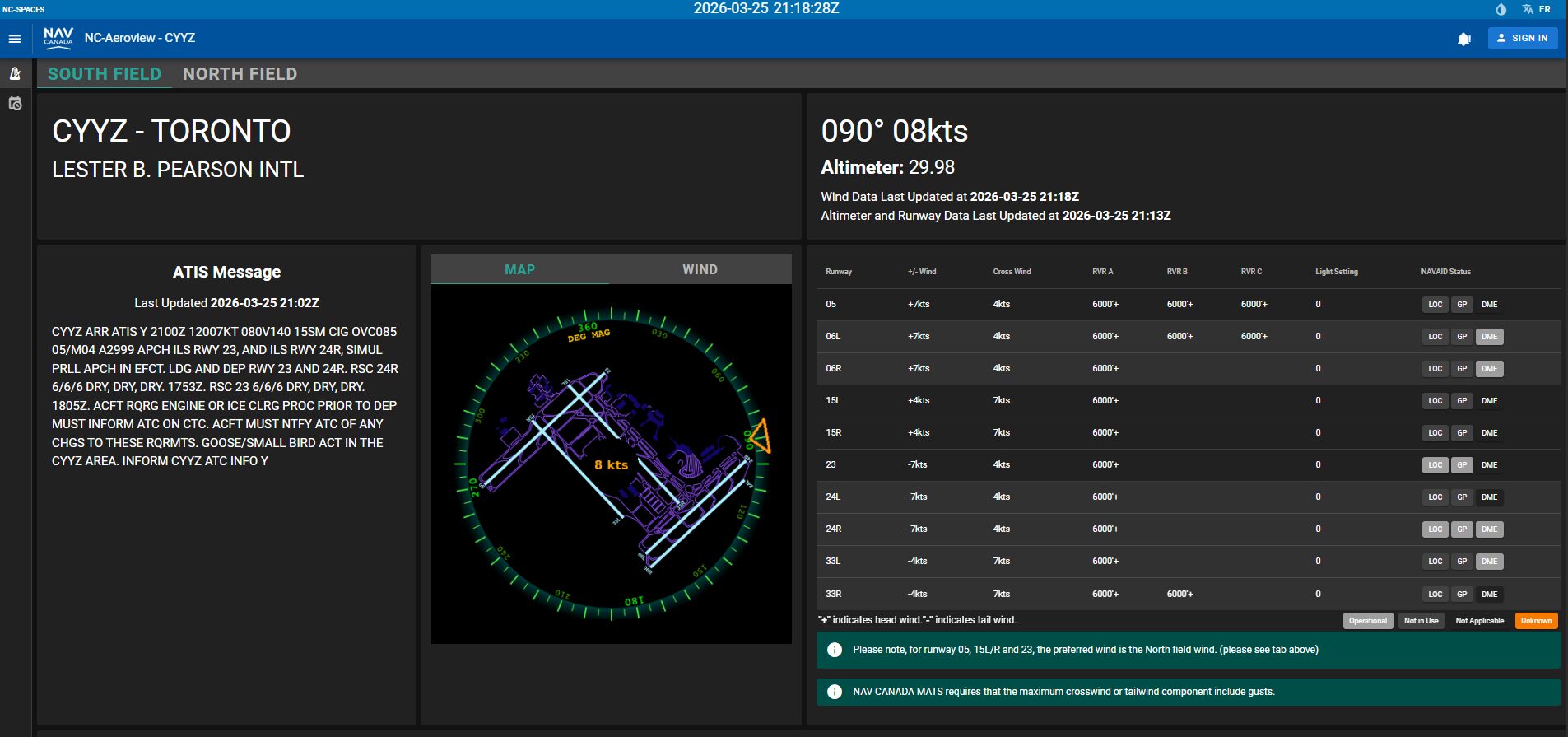
Exhibit 16.3: South Field — 090° @ 8 kts. Tailwind on RWY 23/24 increases to about 7 kts while RWY 05/06 remain headwind-favourable.
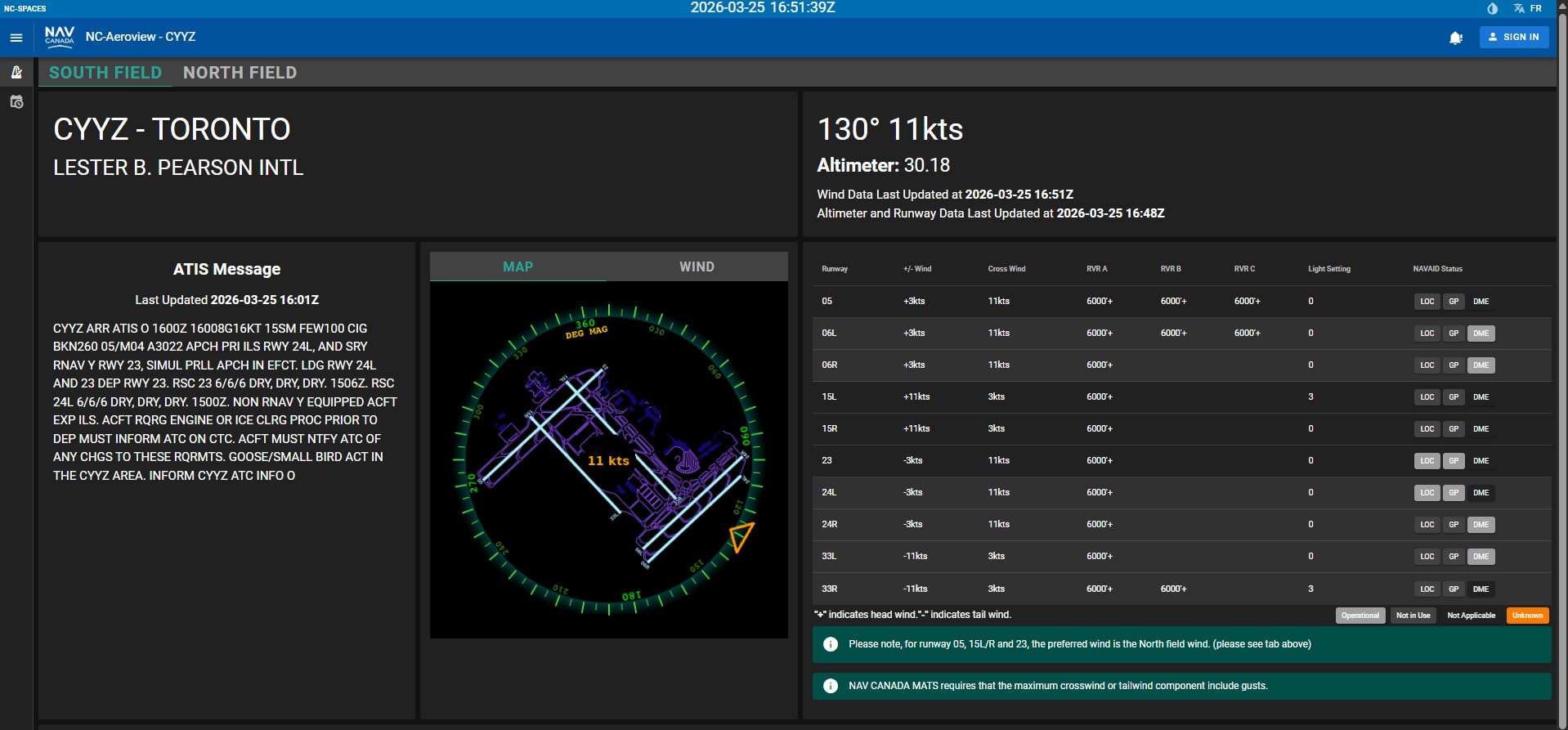
Exhibit 16.4: South Field — 130° @ 11 kts. A significant tailwind/crosswind combination is accepted on RWY 23/24 while a more favourable alignment remains available.
Use this tool to copy or email a technical brief based on forensic AeroView evidence from Jan 13 – Feb 1, demonstrating that Pearson runway use is efficiency-limited, not wind-limited.
Institutional Brief Generator
Generate a technical demand letter for government representatives based on these findings.
If your goal is public health response, send to your local and regional public health leadership. If your goal is operational accountability, send to elected officials and demand written answers on runway-selection policy, crosswind acceptance, and respite safeguards.
Publishing note: If you publish correspondence or replies, redact personal names, emails, and phone numbers unless you have permission to disclose them.
Pearson Accountability Alliance
Independent Environmental & Public Health Research for Toronto Pearson Communities.